
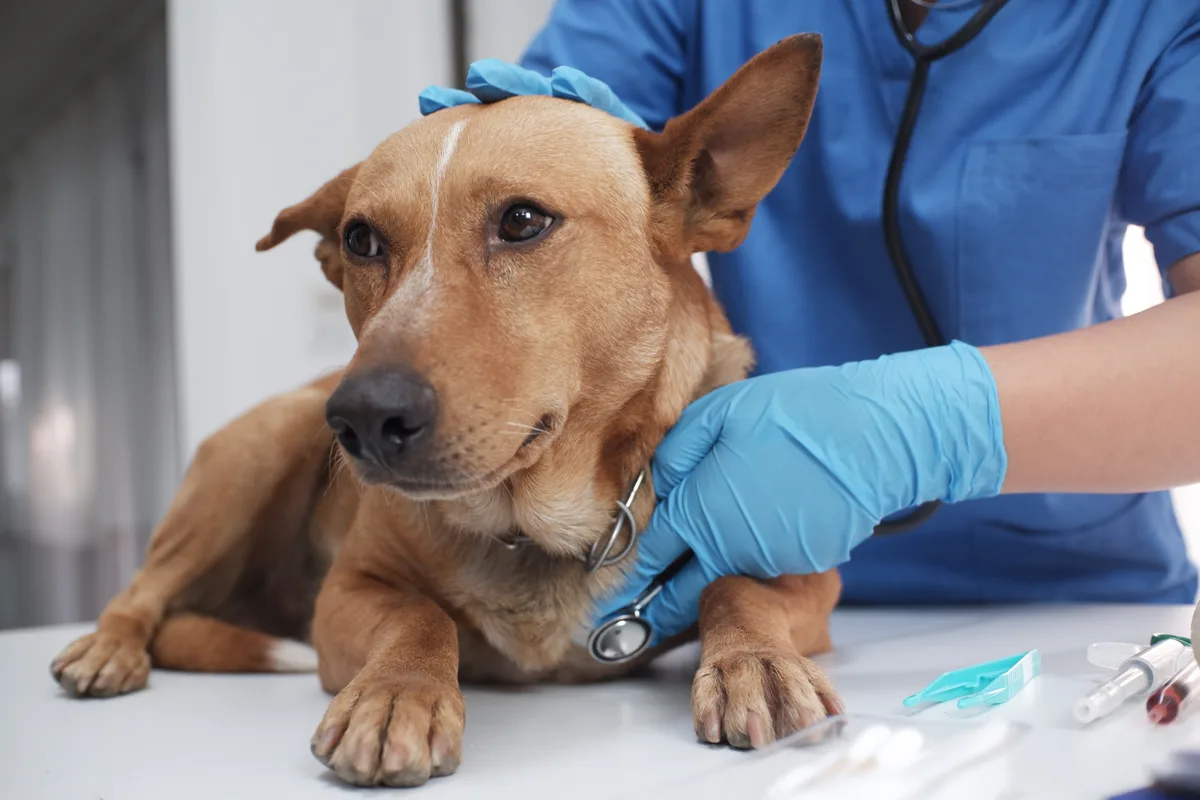
One clinic, three margins
A veterinary practice earns money three different ways, and each behaves differently in the books. Professional time (exams, surgery, dentistry, diagnostics) is high-margin and capped by DVM hours. Pharmacy (dispensed drugs, vaccines, parasiticides) is inventory with carrying cost, expiry risk and steady price inflation. Retail (food and preventives at the front desk) runs thin margins against online competitors. We build the chart of accounts so each line shows its own revenue and its own cost of goods, because a blended gross margin cannot tell you whether the problem is pricing, purchasing or shrink.
Every one of those lines is taxable at 13% HST, which is rare in health care; the filing side of that lives with our Corporate Tax Filing work, and the returns are only as strong as the daily books beneath them. That is the point of End-to-End Accounting: bookkeeping, payroll, financial reporting and tax filing under one roof, run monthly so the numbers are current when a decision comes up.
The drug cabinet is inventory, not an expense
Drugs and consumables are usually a clinic's largest cost after payroll, and expensing distributor invoices as they arrive quietly wrecks the margin story. A spring stock-up on flea, tick and heartworm product makes April look terrible and June look brilliant, when neither is true. We run purchases from suppliers like Covetrus or CDMV through inventory and release cost of goods as product actually sells, with periodic counts to true the balance up.
Counts earn their keep beyond accuracy. They surface short-dated stock before it becomes a silent write-off, they catch shrink early, and they reconcile against the controlled-substance log the practice already keeps, so the books and the compliance records tell one story. The practice system tracks quantities on hand; the books are where those quantities get valued, costed and checked.
Wellness plans run on two clocks
Monthly preventive-care plans are a liability first and revenue second. The client pays a fixed amount each month; the clinic delivers exams, vaccines and bloodwork on the plan's schedule. Revenue belongs in the month a service is delivered, not the month a payment lands, so plans build a deferred-revenue balance that has to be tracked plan by plan and trued up at year-end, with cancellations and unused entitlements handled consistently.
HST runs on a different clock: it is collectible as each instalment is paid or comes due, regardless of when the visits happen. Keeping the two clocks apart, recognition following delivery and tax following billing, is exactly what goes wrong when plan receipts are coded straight to sales. Lenders notice, too. An accurate plan liability on the balance sheet reads as discipline; a missing one invites questions about everything else.
From the practice system to month-end
The daily numbers live in your practice management system: AVImark, Cornerstone, ezyVet or IDEXX Neo. We map its end-of-day summaries into QuickBooks Online so revenue posts by category rather than as one deposit blob, and we reconcile processor deposits back to gross billings so card fees appear as the real cost they are. Supplier bills flow in through Dext, which matters when distributor invoices arrive weekly with long line counts.
Payroll for associate veterinarians, RVTs and assistants runs inside the same engagement: overtime, stat pay and vacation accruals handled, T4s out on time. Where an associate is genuinely a contractor the paperwork differs, and that classification question deserves a deliberate answer rather than a payroll default.
Numbers a practice owner actually uses
Month-end reporting is only worth doing if it changes decisions. For clinics in Mississauga and across the GTA we typically track revenue per full-time DVM, average invoice value, drug cost as a share of pharmacy revenue, plan liability and inventory turns alongside the standard statements.
| Revenue line | What the books must get right |
|---|---|
| Exams, surgery & diagnostics | Recognized when performed; tracked per DVM so capacity is visible |
| Dispensed drugs & preventives | Cost matched to the sale through inventory; counts catch expiry and shrink |
| Food & front-desk retail | Its own margin line, price-checked against online pharmacies |
| Wellness-plan fees | Deferred on receipt, recognized as visits are delivered |
| Boarding & grooming deposits | Held as a liability until the stay or service happens |
A solo mobile practice that does not need full monthly service yet can keep a CPA on call through CPA Quick Support at $99 a month. Everything larger is quoted in writing after a free 15-minute discovery call, so the fee is known before the work starts.
