
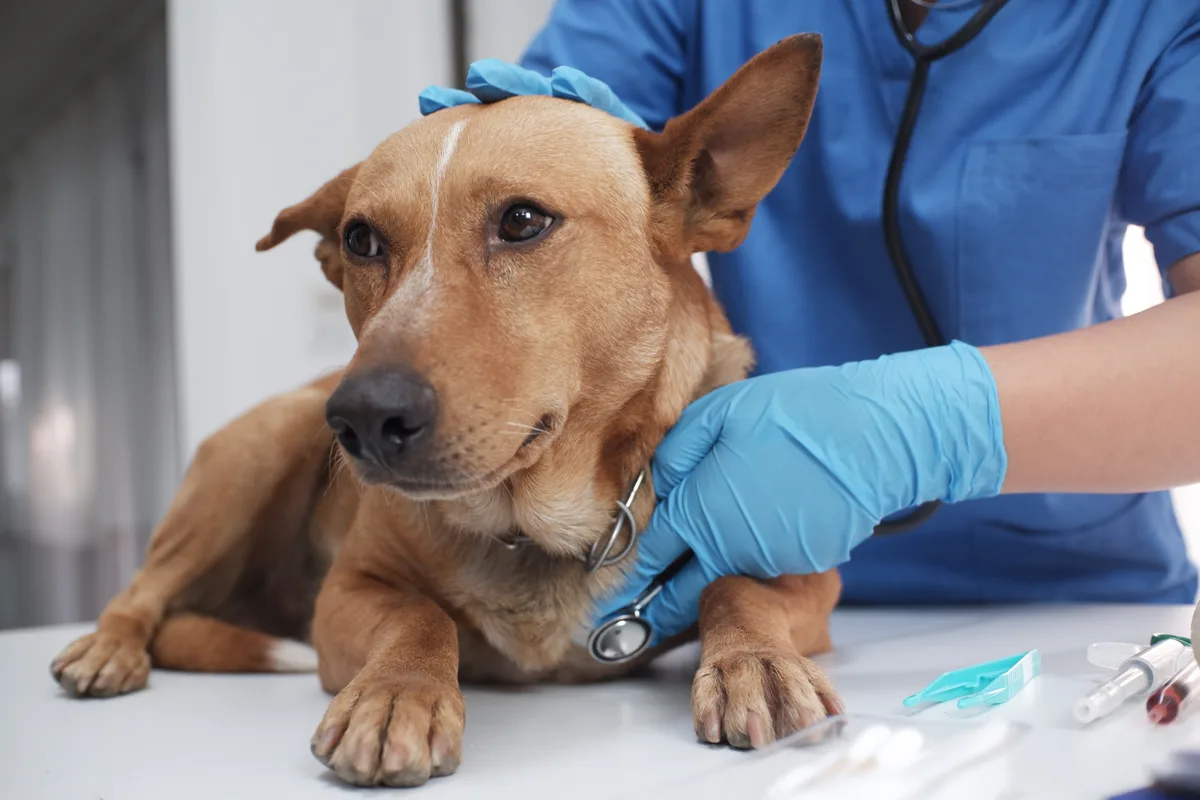
The odd one out in the medical column
Physicians and dentists mostly sell exempt services: no HST charged, no input tax credits, and 13% tax on overhead as a dead cost. Veterinary medicine is the opposite. Exams, surgery, dispensed drugs, pet food, boarding and grooming are all taxable, and nearly every input carries HST the clinic can recover. The compliance load is real, but so is the recovery.
| Practice | What they sell | HST result |
|---|---|---|
| Physician (MPC) | Exempt health services | No tax charged, no ITCs |
| Dentist (DPC) | Mostly exempt, taxable edges | ITCs on the edges only |
| Pharmacist | Zero-rated Rx plus taxable front store | Mixed, register by register |
| Optometrist | Exempt exams, zero-rated eyewear | Partial ITCs |
| Veterinarian | Fully taxable at 13% | Full ITCs on inputs |
Mixed and rural practices sometimes worry the 13% deters farm clients. It rarely does: registered farm businesses generally recover the tax themselves, so on the agricultural side HST is a flow-through, not a price increase.
Collecting it right at the register
Because every product and service line is taxable, the practice system's tax mapping is refreshingly simple compared with a pharmacy or an optometry dispensary: one rate, applied everywhere. The failure modes are different. Invoices discounted after tax, wellness-plan instalments billed without it, and processor summaries posted net of fees are the usual suspects. We tie the HST reported on each return back to what AVImark or ezyVet says was billed, so a CRA desk review starts and ends with a single reconciliation. Clean daily books make that possible, which is why filing pairs naturally with End-to-End Accounting.
Filing frequency follows revenue: annual filing up to $1.5 million in taxable sales, with quarterly instalments once net tax passes $3,000; quarterly by default from $1.5 million to $6 million; monthly above that. Busy small-animal clinics often sit in the quarterly band. The quick method is available only up to $400,000 of taxable sales and rarely helps a business buying inventory all year, so we almost never recommend it here.
ITCs: claimed in full, documented for the review
Full input tax credits are the upside of taxable status. The 13% paid on rent, distributor invoices, reference-lab fees, software and equipment all comes back through the return. Two disciplines protect that money. First, documentation: CRA can deny credits that lack supplier invoices meeting its information requirements, so the file has to hold the paper, not just the number. Second, refund returns: a build-out or heavy equipment year can push ITCs above HST collected, and refund claims are routinely held for pre-assessment review. We assemble the support before CRA asks; if a review escalates, CRA Audit & Review Support takes it from there.
The credits most often missed are the unglamorous ones: CAM and utility charges buried in the lease, reference-lab and cremation-service invoices, continuing-education registrations, waste disposal, phone plans, and the HST inside vehicle costs for a mobile practice. Insurance premiums and bank charges, by contrast, carry no HST to claim, and coding them as if they did creates the opposite problem. A standing checklist beats memory on both counts.
Equipment costs less here than next door
Because the clinic recovers HST, an imaging suite or surgical table goes on the books at its pre-tax cost, unlike a dental operatory where the unrecoverable 13% is capitalized and depreciated over years. From there the usual classes apply: most clinical equipment (radiography, ultrasound, anesthesia machines, cages and tables) is Class 8 at 20% declining balance, computers are Class 50 at 55%, a mobile-practice van is Class 10 at 30%, and leasehold build-outs amortize in Class 13 over the lease. The half-year rule remains suspended for eligible equipment available for use before 2028, so timing an install just before year-end pulls a full first-year claim forward.
The T2 behind the HST
The corporate return is where the professional corporation's roughly 12.2% Ontario small-business rate on the first $500,000 of active practice income gets protected. We file the T2 six months after year-end with the balance settled three months after year-end for most small VPCs, reset corporate instalments once tax passes $3,000, and track the passive-income position that can quietly erode the rate for clinics with large retained portfolios. Owner T1s are filed against the same numbers through Corporate Tax Filing and Personal Tax Filing, so salary, dividends and the corporate year tell one consistent story.
Slips close the loop: T4s for employed associates, RVTs and support staff by the end of February, and T4A reporting where the clinic pays self-employed vets for services. Whether those associates should be contractors at all is a planning question with real consequences, and it gets its own treatment on the planning side rather than a footnote here.
Source: CRA — GST/HST for businesses.
