
The fit-out comes back on a schedule you can shape
A showroom renovation is deducted over the lease, not in the year the trades leave. Leasehold improvements sit in Class 13, claimed straight-line over the lease term plus the first renewal option, never faster than five years, with only half a claim in the first year. That schedule is negotiable before the lease is signed: the term you commit to, the renewal options you take, and how much of the build-out the landlord funds all change the after-tax cost of the same showroom.
Landlord money carries its own rule. A tenant inducement paid toward your fit-out is taxable income when received, unless we elect to apply it against the cost of the improvements instead, trading tax this year for smaller Class 13 claims in the years after. Which side of that trade you want depends on the year you are actually having, so it is a choice to make with the books open, never a default.
| What the showroom bought | CCA class | How the deduction flows |
|---|---|---|
| Fit-out of the leased space | Class 13 | Straight-line over the lease term, minimum five years |
| Display racks, waterfall boards, shelving | Class 8 | 20% declining balance |
| Cube van and delivery truck | Class 10 | 30% declining balance |
| Computers and the design kiosk | Class 50 | 55% declining balance |
| Install tools under $500 apiece | Class 12 | Written off in full |
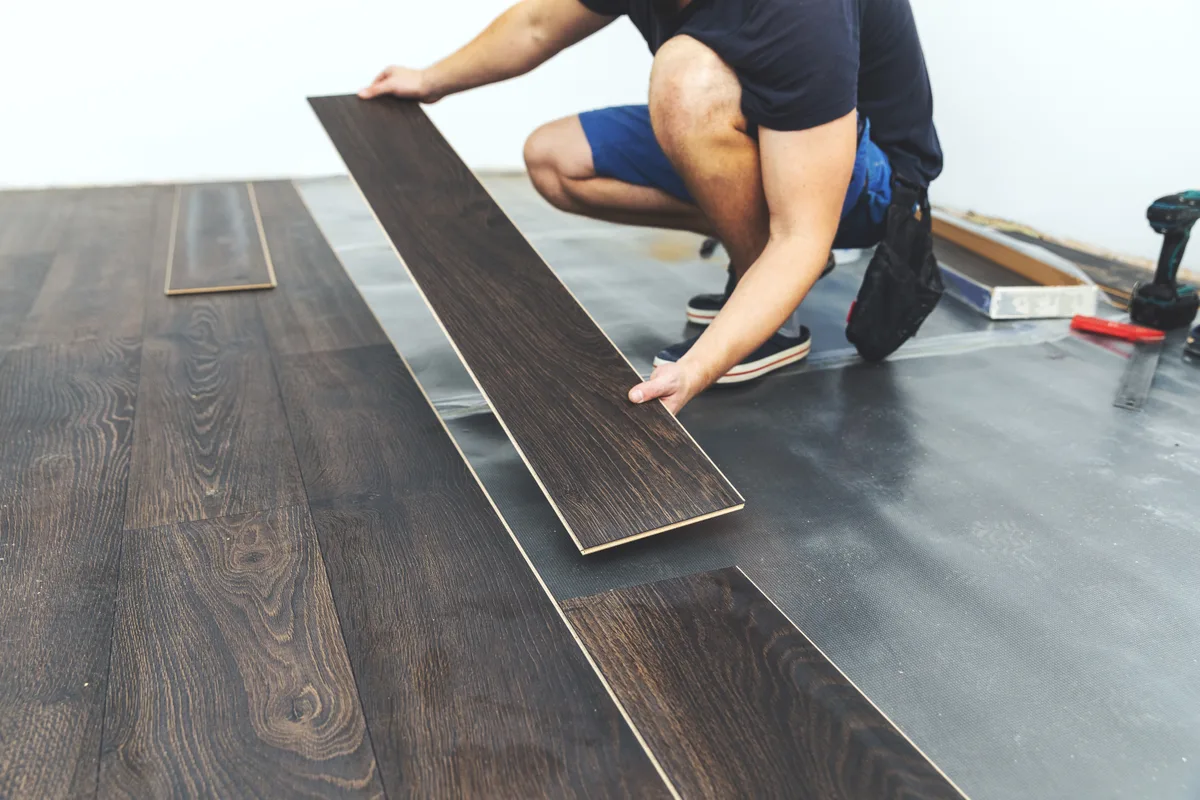
The classes matter because a flooring build-out mixes all five in one contractor bill. Splitting the invoice properly at the start, millwork to Class 13, movable racking to Class 8, is worth real money over the lease, and it is nearly impossible to redo credibly three years later.
Dead stock is a deduction with a deadline
Every showroom accumulates discontinued colours, odd lots and roll balances that will never sell at ticket price. For tax, inventory can be valued item by item at the lower of cost and market, so an honest year-end write-down of the dead corner is a current deduction, provided it is a valuation you can defend rather than a flat percentage haircut. Defensible means evidence: the discontinued notice from the mill, the ticket history showing no movement, the price the clearance rack actually achieves.
Often the stronger move is a clearance event scheduled before year-end instead of after it. The loss crystallizes in the year you choose, the racks turn back into cash in time for the next buy, and the sale flyer itself becomes the valuation support. Sample boards and display material cut differently again: they were never saleable stock, so they belong in promotion cost, not the count, and keeping them out of inventory keeps the write-down argument clean.
Owner pay from a business that eats cash in stock
Profit retained in the corporation is taxed at roughly 12.2% combined in Ontario on the first $500,000, and in a flooring company that low-rate pool has an obvious job: it buys inventory with lightly taxed dollars. So the salary-dividend mix starts from what the household actually needs, uses salary where RRSP room and CPP coverage matter, and leaves the rest working on the racks instead of coming out at personal rates just to sit in a savings account.
Two cautions shape the mix. A spouse who genuinely runs the showroom can draw a reasonable wage, and dividends to a spouse averaging twenty hours a week in the business will generally clear the TOSI rules as an excluded business; involvement that exists only on paper will not. And retained cash parked in investments can backfire, because once a corporation's passive investment income passes $50,000 a year the small-business limit starts to shrink, so surplus beyond a working buffer needs its own plan.
Decisions on a calendar, not at the deadline
Almost none of this works retroactively, which is why our Tax Planning & Advisory engagements run on your fiscal calendar rather than the CRA's. Sixty to ninety days before year-end we look at the clearance sale, the van that must be available for use before it earns any CCA, dividend declarations and the inducement election if a lease is in play; after the T2 is filed we debrief what the return revealed and reset the plan.
Several of these calls, incorporating, paying yourself, taking a second location, have their own decision guides on our site. The planning itself is quoted in writing after a free 15-minute discovery call, and we run it for flooring companies across the GTA at every size, from a single crew with a small showroom to multi-location operations.
