
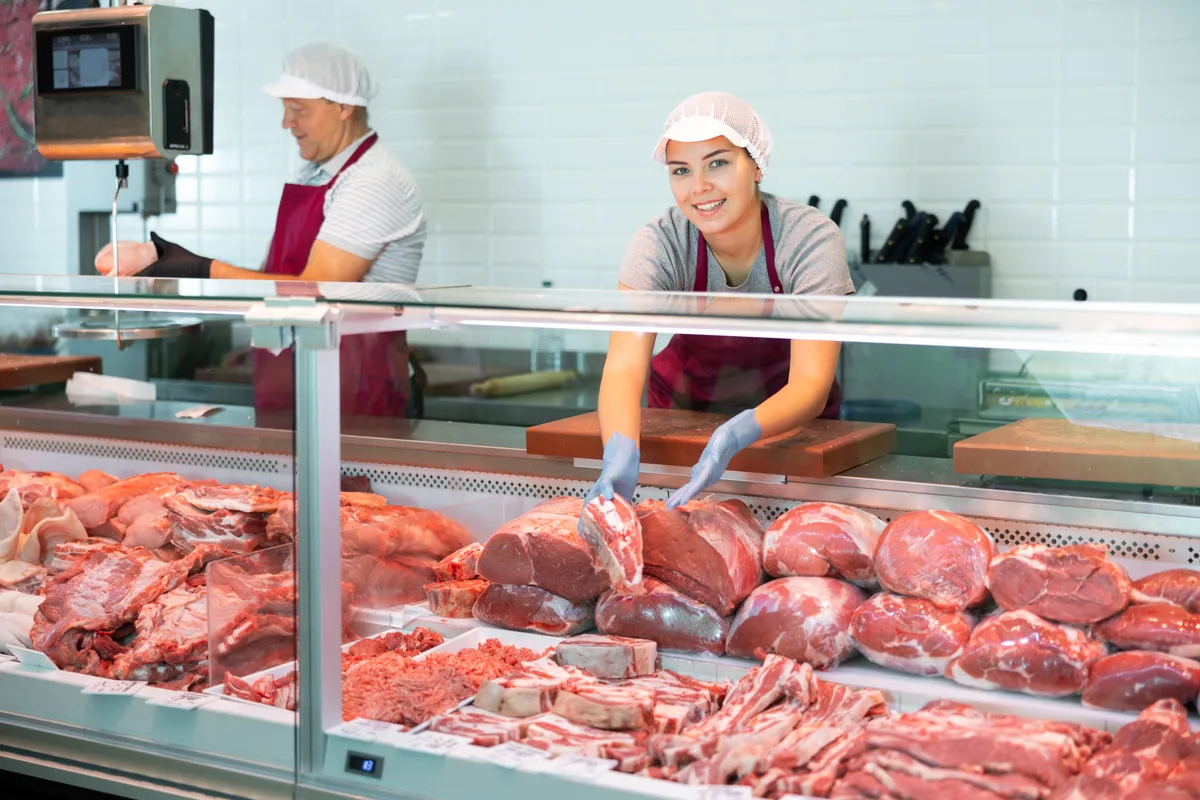
The whole animal has to sell
The case can sell out of striploin by Saturday while chuck stacks up in the cooler, and that imbalance, not the posted margin, is what quietly sets the month's result. The fix is run like a discipline: sell-through tracked by cut, features rotated onto whatever is moving slowly, the grind program sized to absorb what the case will not move at retail. Our Fractional CFO engagement turns that into a monthly review with three views on one page: sell-through by cut, margin by program, and the week's buy adjusted to both.
None of it works without honest cost numbers underneath, which is why the engagement sits on yield-costed books; the mechanics of those live on our butcher and deli accounting page. The CFO layer is what you decide once the numbers are true.
Three ways to buy the same beef
The biggest recurring decision in the shop is not pricing. It is procurement form, and it deserves more than habit:
| What you buy | The trade | When it wins |
|---|---|---|
| Sides and quarters | Lowest cost per kilogram in the door; demands cutter hours, rail and cooler space, and a plan for every single cut | Skilled cutters on staff and a case that genuinely moves the whole animal |
| Boxed primals | The packer keeps a margin, but you choose the mix instead of taking the animal's | Matching the buy to what your customers actually order |
| Case-ready product | Highest cost per kilogram, least labour, no trim to absorb | Cutter hours are the bottleneck, or a second counter opens before a second cutter exists |
The deciding numbers are cutter labour per kilogram processed, the yields your own cutting tests produce, and what the case can sell before markdown. Most shops should be running a mix, and the right mix moves with hiring, season and the wholesale book, which is why we re-run it quarterly instead of assuming last year's answer.
Wholesale is a credit business now
Selling to restaurants turns a cash trade into a lending trade, and the shop is the lender. We put structure around it before it grows: written terms with a credit limit that starts small and earns its way up, the aging reviewed every week, and a stop-ship rule agreed in advance so cutting off a late account is policy, not a personal confrontation. Concentration gets a ceiling too, because one restaurant group taking a third of production is a risk decision, not just a sales win.
Price lists need their own protection. Wholesale meat prices move with the commodity market, so standing quotes carry an adjustment clause tied to replacement cost, with a notice period the chef can live with. Without one, a market rally sits on your margin until someone finally works up the nerve to reprice.
Cash sleeps in the cooler
Inventory is the shop's cash wearing an apron. We track turns by program, because a freezer filled with a good-price buy is capital you cannot spend on payroll, and the deal math has to beat the squeeze it creates. The seasonal swings get planned the same way: holiday roast and turkey pre-orders taken with deposits pull cash forward and de-risk the December buy, while a 13-week cash forecast keeps the grilling-season build from colliding with instalment dates. A compressor fund sits beside it, because refrigeration fails in July, never in February.
When the next step needs outside money, a second case, a cutting-room expansion, a van, the lender package is prepared through Business Financing Advisory by a CPA who spent years in banking and corporate finance and knows what a credit committee wants to see from a food business.
The hot counter, decided on paper
Adding hot food is the classic butcher expansion, and it deserves a model before it gets a menu. Prepared and hot items earn a different margin, consume labour at lunch instead of in the cutting room, may need ventilation capital, and ring on the taxable side of the till, a flag our tax services page covers in detail. We build the case both ways, including the honest one where the counter's best move is staying cold. Engagements run monthly, sized for owner-run shops across Mississauga and the GTA, with the fee quoted in writing after a free 15-minute discovery call.
