
The rule: restoring is an expense, improving is capital
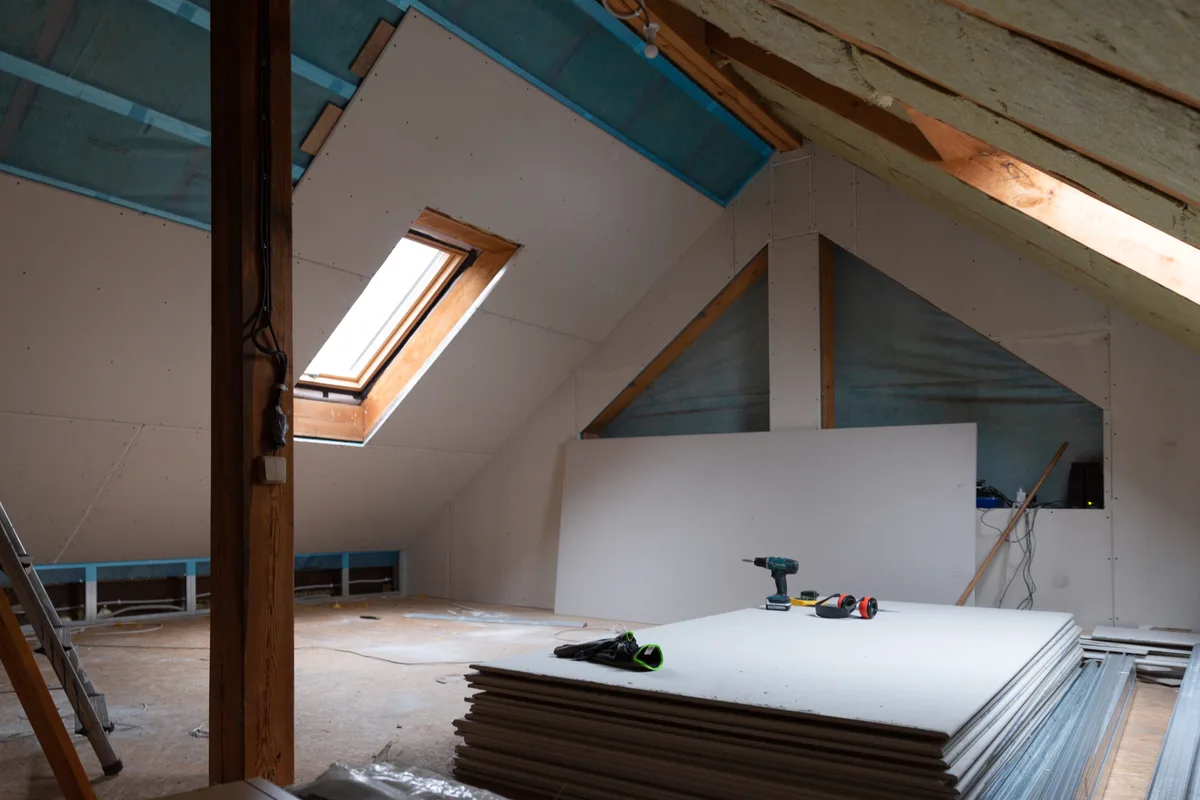
You asked the exact question the Income Tax Act asks, and the answer turns on the character of the work. Repainting between tenants, fixing a leak, servicing the furnace, replacing a broken window with a comparable one: current expenses, deducted in the year. Gutting a kitchen, finishing a basement, replacing the entire roof structure, adding a unit: capital, because the property ends up better than it began, and the cost joins the building rather than this year's expenses.
Two timing situations override the general feel of the work. Repairs done shortly after buying a property, to bring a run-down building up to a rentable standard, are generally capital even when the individual jobs look like maintenance, because they are really part of the cost of acquiring a usable asset. Repairs done to dress a property for sale can face the same recharacterization. Mid-ownership, routine work in both categories is at its most defensible.
Scale and context weigh in but do not decide. A large bill can still be a repair, replacing worn shingles on a big roof with equivalent shingles, and a modest bill can still be capital, a new appliance, for instance, which is a separate asset rather than a fix to an old one. Where projects sit close to the line, the full factor-by-factor comparison is on our page about capital expense versus repair for rental property corporations; this page is about building records that hold up whichever way each invoice falls.
Set the tracking up before the project: one job, coded invoice by invoice
Track a renovation as a project, not as a pile of transactions. Give it a job code in the books, tag every cost to the property and the project, and code each invoice to one of three buckets as it arrives: current repair, capital improvement, or separate asset. Sorting a finished renovation months later, from bank lines and memory, is how mixed projects end up entirely expensed or entirely capitalized, and both errors are expensive.
Push the discipline upstream to the contractor. Ask for invoices that separate the work by area and task, the repair portion distinguishable from the improvement portion, rather than one line reading renovations. Keep the quotes, the scope of work, and photos from before and after; CRA can review a renovation years later, and the file you build this month is the evidence you will have. Your own labour, incidentally, is never deductible; only amounts actually paid out count.
Pay each cost from the corporation or person that owns the property. When a sister company or the owner personally covers renovation bills, the payment creates an intercompany or shareholder balance that has to be documented and repaid, and it muddies who is entitled to the deduction. If you finance the project, the tracking extends to the loan: interest is deductible when the borrowed money is used to earn rental income, so keep the draw tied to the project, and remember that certain borrowing costs, fees and arrangement charges, are deducted over five years rather than immediately.
One more line for major projects: while a substantial renovation makes the building unusable for earning rent, carrying costs attributable to that period, interest and property taxes among them, may have to be capitalized into the project rather than deducted. It is a rule owners rarely see coming, and it changes the cash and tax math of a gut renovation.
Where the capital portion lands: not all of it goes to the building
Capitalized does not mean one bucket. The tax system sorts capital costs into classes with different write-off speeds, so a renovation's capital portion usually splits several ways, and coding it correctly is worth real money because some classes depreciate five times faster than the building.
| Cost | Treatment |
|---|---|
| Repainting, patching, like-for-like fixes | Current expense, deducted this year |
| Structural improvements: kitchen and bath guts, additions, new roof structure | Added to the building, Class 1, written off at 4% declining balance |
| Appliances, furniture, equipment | Their own class at 20% declining balance |
| Fencing, paving, other land improvements | Separate faster classes of their own |
| Landscaping of the grounds | Deductible when paid, by specific rule |
| Land itself | Never depreciable; part of the land’s cost |
Two structural details shape the schedule. Each rental building that cost $50,000 or more sits in its own CCA class, so your records need a continuity schedule per building, not one pooled figure for the portfolio. And first-year claims on new additions are restricted, only a fraction of the normal claim is available in the year of purchase under the standard rules, so the year you complete the project rarely delivers the full deduction you might expect.
Keep the split visible in your reporting, too. In a consolidated cash flow view across properties, repairs belong in operating costs while capital projects sit below the operating line as capex; blend them and this year's NOI looks artificially poor, which misleads both you and any lender reading the statements.
CCA is optional and, on rentals, capped: claim it deliberately
Adding costs to the building does not force a deduction on any schedule. CCA is claimed at your discretion each year, from zero up to the maximum, and on rental property it carries a specific cap: CCA generally cannot create or increase a net rental loss, computed across your rental properties, though corporations whose principal business is renting real property have more room. A renovation that pushes the year to a loss simply banks its CCA for the future; nothing is wasted, only deferred.
Claiming is a choice with a price at the other end. Every dollar of CCA reduces the building's undepreciated capital cost, and when you sell for more than that balance, the CCA claimed comes back as recapture, fully taxable in the year of sale, on top of the capital gain of which only half is taxed. Owners who claimed maximum CCA for fifteen years are routinely startled by the recapture bill; owners who claimed deliberately saw it coming.
Who owns the property changes what the deductions are worth, which is a reason the ownership structure belongs in this conversation. Rental profit inside a corporation without a substantial staff is taxed near the top corporate investment rate, roughly 50% combined in Ontario with a refundable component, while personally held rent is taxed at your own marginal rate. The full structure decision is covered in should rental properties be held personally or in a corporation; for tracking purposes, the point is that the same invoice can carry a different tax value in different hands.
HST on renovation costs: usually a cost, occasionally a trap
For a long-term residential rental, the HST on your renovation is not recoverable. Residential rent is exempt, so you cannot claim input tax credits on contractor bills or materials, and the HST simply becomes part of whatever the underlying cost was: expensed with a repair, capitalized with an improvement. Budget for it that way from the start; on a large project the unrecoverable tax is a five-figure line of its own. Commercial properties are the mirror image, HST on costs is generally recoverable against the HST charged on rent, and mixed-use buildings need a defensible allocation between the two treatments.
The trap is the substantial renovation. Where a project is deep enough that CRA's test treats the building as essentially rebuilt, most of the interior removed or replaced, the tax system can treat you as a builder: renting the finished units can trigger a self-assessment of HST on the property's fair market value, with a rental rebate available that softens, but rarely erases, the hit. The threshold and the math have real edges, so if you are contemplating a gut renovation or a conversion, price the HST consequence before demolition, not after. This is one decision where an hour of advice before the project reliably beats any amount of cleanup after it.
The facts that change the treatment, and how we handle it
Six facts decide where a renovation lands. What the work actually did, restore or improve. When it happened, mid-ownership or bracketing a purchase or sale. Whether components were replaced like for like or upgraded. Whether the property is residential, commercial or mixed, which sets the HST treatment. Who owns it, since the ownership structure sets the tax rate the deductions work against. And the project's depth, because a substantial renovation changes the HST analysis entirely.
These records also outlive the renovation by decades. The building's cost history, additions and CCA continuity follow the property to a sale, a transfer into a corporation, or an estate; a business estate planning CPA in Ontario will eventually need exactly these numbers to compute the deemed disposition on death, and reconstructed records are the expensive kind. Our landlord accounting engagements keep the coding, the per-building schedules and the project files current as a matter of routine, and for one-off questions mid-project, which invoice goes where, whether a job crosses the substantial renovation line, a short paid consult or CPA Quick Support is usually all it takes. The fifteen-minute discovery call is free either way.
