
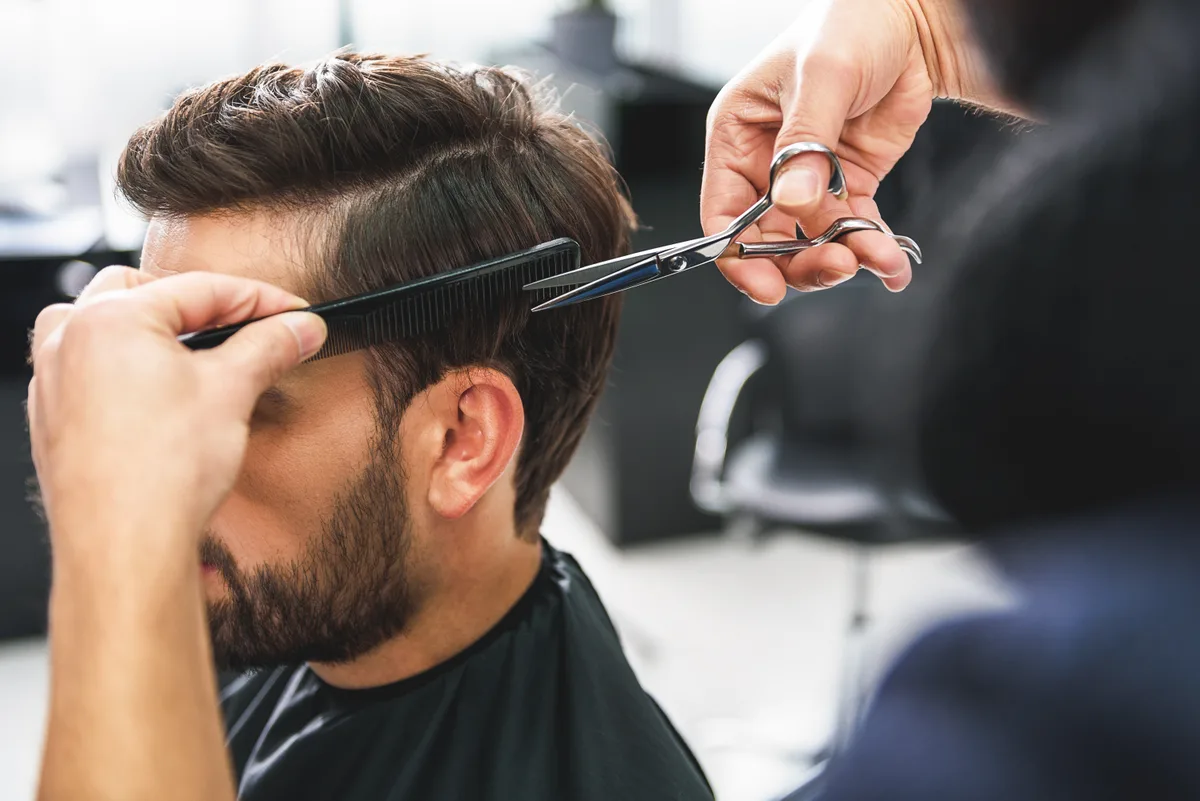
The EI rule that surprises almost every owner
If self-employed barbers or stylists work in your shop, you likely owe EI for them. Paragraph 6(d) of the EI Regulations deems a person providing barbering or hairdressing services in an establishment to be in insurable employment unless that person owns or operates the establishment. Income tax status is irrelevant: a chair renter who pays you weekly rent, sets her own hours and files her own return is still insurable.
The owner, or the operating corporation, is the deemed employer. That means calculating the worker premium, adding the employer share at 1.4 times, and remitting both with the shop's regular source deductions. The rule is not optional, and CRA payroll examiners know exactly where to look for it in a salon. The other side of the coin is real too: chair renters can qualify for EI benefits, including maternity and parental benefits, precisely because these premiums were paid, and the shop may need to issue a record of employment when a renter moves on.
The rule is aimed squarely at barbering and hairdressing. For an aesthetician or nail tech renting a room in the same shop, there is no deeming provision; their status falls back on the ordinary employee-versus-contractor tests, which is its own analysis worth doing before the CRA does it for you.
How the numbers are actually calculated
When you can see a renter's earnings, say a commission split reported through your POS, premiums are calculated on actual weekly insurable earnings up to the annual maximum. When you cannot, because the renter pays flat rent and keeps her own numbers, the regulations prescribe a deemed amount: weekly insurable earnings become the lesser of the number of days worked that week times 1/390 of the year's maximum insurable earnings, and 1/78 of that same maximum. That makes one humble record surprisingly important: a weekly log of which renters worked which days, because the formula runs on days worked, not on rent collected.
At year-end the shop files a T4 for each renter even though it never paid them wages: employment code 13 in box 29, insurable earnings in box 24, EI premiums in box 18, and gross earnings in box 83 where they are known. No CPP goes through the shop, and no income tax is withheld; the renter settles both on her own return.
Who withholds what in a salon
| Person | CPP | EI | Income tax | Slip |
|---|---|---|---|---|
| Employed stylist | Withheld and matched through payroll | Withheld and matched | Withheld at source | T4 |
| Chair renter | None through the shop; paid on their own T1 | Shop remits both shares under the deeming rule | None withheld | T4 with employment code 13 |
| Owner-operator | Own T1, or payroll if salaried by their corporation | Excluded: the operator is not insurable | Instalments, or salary withholding | T4 only if salaried |
Tips are already on the CRA's screen
Every tip typed into a terminal leaves a record, and the CRA has compared terminal data against reported income in the hospitality and personal-care sectors before. The tax treatment turns on control. Controlled tips, pooled or distributed by the shop, are pensionable and insurable earnings that must run through payroll with CPP and EI. Direct tips, handed straight to the worker or passed through untouched, carry no source deductions but remain fully taxable income the worker reports on their T1.
For chair renters, tips are simply part of their own business income. The shop's job is cleaner than it sounds: decide which model you actually run, write it down, and keep the POS tip report filed with the payroll records so the answer is ready before anyone asks.
The rest of the filing stack
Around the EI rule sits the ordinary calendar. HST returns report 13% on services, retail and chair rent together, once trailing revenue passes the $30,000 small-supplier threshold. An incorporated shop files a T2, with the first $500,000 of active profit taxed around 12.2% combined in Ontario, handled through Corporate Tax Filing. A sole-proprietor owner reports on a T2125 with the T1, and most of the renters in the shop need exactly that too, which is what Personal Tax Filing is for. When a brown envelope arrives about any of it, CRA Audit & Review Support answers it properly the first time.
We file for shops across Mississauga and the GTA, and every engagement is quoted in writing after a free 15-minute discovery call: no hourly surprises, before or after the exam.
Source: CRA — RC4120, Employers' Guide: Filing the T4 Slip and Summary.
