
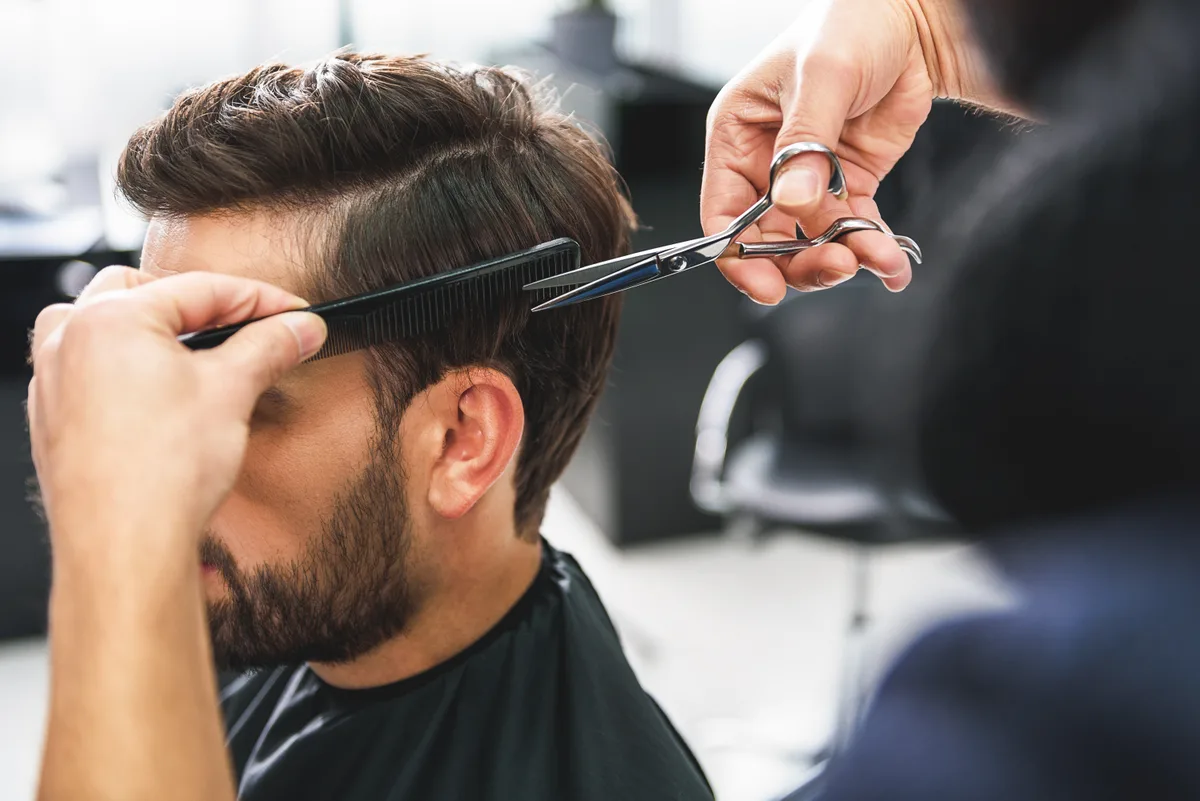
Profit per chair is the number that matters
Shop-level revenue hides more than it shows. The true unit of a salon is the chair: hours booked against hours open, average ticket, rebooking rate, and the revenue each chair produces per week it is staffed. Two shops with identical top lines can be one thriving business and one slowly failing one, and only chair-level numbers reveal which is which before the bank balance does.
As Fractional CFO we build that reporting from systems already in the shop: Fresha, Booksy or Square Appointments holds the occupancy and ticket data, the books hold the costs, and the monthly pack puts them side by side per chair, per stylist and per service line. The rhythm is fixed: books close, the pack lands, and one working session turns what changed into what to do about it, so decisions happen while the month is still fresh.
Rent the chair, or staff it
Every empty chair forces the same choice. A renter delivers fixed weekly income with no commission cost and no wage risk, but caps the upside: the ticket growth, the rebooking relationship and usually the retail sale all belong to the renter. An employed or commission stylist costs more and takes management, but the shop keeps all three. Neither answer is always right; the right answer is a model built on your actual demand, your rent per square foot and your honest hiring pipeline.
We run that model both ways before the ad goes up, including the quieter costs: the EI premiums a shop remits even for chair renters, the backbar burn of a colour-heavy stylist, and the months of thin revenue while a new hire builds a book. The output is a break-even week count for each option, so the choice stops being a debate and becomes a date.
Retail attach is margin already standing in the shop
Attach rate is the share of service visits that leave with product, and it is the cheapest revenue a salon has: the client is already in the chair, the recommendation is professional, and the margin consumes no extra service hours. We measure it per stylist from POS data, because attach is a habit and habits are individual. Where it lags, the fixes are operational, incentives on the commission grid, shelf placement, product training, and the next monthly pack shows whether they worked.
The same reporting watches the other side of the shelf: inventory turns, expired colour lines and staff-rate sales that quietly hand back the margin retail earned.
Questions the model answers
| Decision | Numbers that decide it |
|---|---|
| Add or convert a chair | Fit-out cost, the occupancy needed to cover it, overflow demand sitting in the waitlist |
| Raise prices or extend hours | Occupancy at current prices, rebooking rate, no-show pattern by day and time |
| Hire a junior or rent the chair out | Ramp time to a full book, commission grid vs fixed rent, retail contribution kept or lost |
| Open the second location | Cash the first shop throws off, buildout budget, a lead stylist ready to run the new floor |
The second location is a financing story
Second shops fail on cash, not on demand. The buildout deducts slowly for tax, leasehold work writes off over the lease term rather than the year you pay for it, so the cash leaves long before the tax relief arrives, and the new floor runs months below capacity while its team builds books. The model has to fund all of that at once, and usually a lender funds part of it. The lease itself is part of the finance work: we test the proposed rent against forecast chair revenue before signing, because a rent set for the shop you hope to have in year three can sink the shop you actually have in year one.
This is where the firm's background is unusual for a boutique practice. Walla Assaf came out of banking and corporate finance, and the lender package, projections, security, the story behind the numbers, is built the way credit teams expect to read it, through Business Financing Advisory and, where a full document helps the application, Business Plans. We work with salon owners across Mississauga and the GTA, and every engagement is scoped and quoted in writing after a free 15-minute discovery call.
