
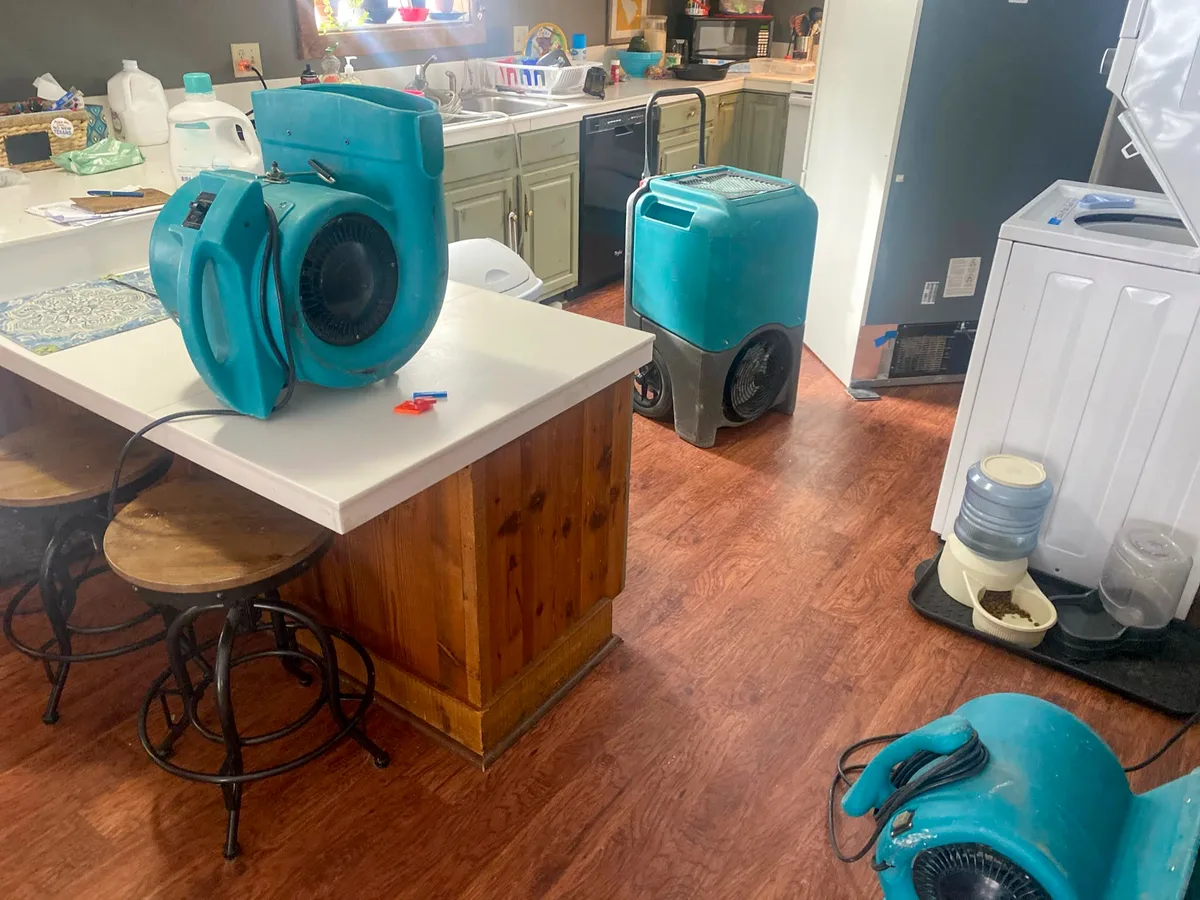
Read the warehouse as a tax schedule
Before any timing question, the assets have to sit in the right classes, because the class sets the pace of every deduction that follows. This is the map for a typical restoration fleet:
| What you own | CCA class | Rate | Worth knowing |
|---|---|---|---|
| Air movers, dehumidifiers, air scrubbers | Class 8 | 20% | Gear available for use before 2028 skips the half-year rule: full 20% in year one |
| Response trucks, cube vans, trailers | Class 10 | 30% | Available for use is the test, not the invoice date |
| Moisture meters and tools under $500 | Class 12 | 100% | Fully deductible in the year they go to work |
| Computers running estimating software | Class 50 | 55% | Xactimate and job-platform subscriptions are simply expenses |
| Shop fit-out and drying-chamber build | Class 13 | Straight-line | Written off over the lease term, so the lease you sign shapes the deduction |
Disposals need the same attention as additions. A fleet refresh that sells fifty tired air movers above their remaining undepreciated capital cost pulls recapture back into income, while replacements bought into the same pool usually absorb the effect. We plan refresh cycles a year ahead so the pool, not the tax return, takes the bump.
Own the base load, rent the surge
The own-versus-rent question has a tax shape as well as an operational one. Rented-in equipment is a clean deduction the month the invoice arrives and bills straight back to the claim; owned equipment earns platform-rate charges on every deployment while its cost recovers through CCA at 20%. The pattern that usually wins is owning the base load your average month keeps busy and renting the peak a storm demands, because idle owned gear deducts slowly and earns nothing.
We put numbers on that line before you place the next equipment order: deployment days from your own job data against the carrying cost of another pallet of dehumidifiers. When the case is there, buying before year-end with the unit in service pulls the full first-year claim forward; when it is not, the rental house keeps the risk. Either way the decision is made on the business case first, with the deduction improving it rather than excusing it.
The storm year rewrites the instalment math
A catastrophe season can double profit without warning, and the tax system responds twice: a larger balance due three months after year-end, then instalments recalculated off the bigger year. Left alone, that pairing lands in the same quarter the surge receivables are still stuck in line-item review. We recalculate instalments mid-year when the storm work books, set cash aside per settled claim, and check whether the corporation still qualifies for quarterly rather than monthly payments, which suits revenue that arrives in surges.
Strong years raise a second flag. Cash parked in the corporation earning passive income starts to grind down the small-business limit once investment income passes $50,000, so a couple of banner seasons can quietly raise the rate on the operating profit. Planning decides where surplus sits before the grind starts, not after the assessment names it.
Owner pay that respects a 12.2% deferral
Profit left in the corporation is taxed at roughly 12.2% on the first $500,000 of active income in Ontario, against personal rates that pass 53% at the top, and that spread funds the next fleet expansion better than any loan. The salary-versus-dividend mix then gets set deliberately: salary builds RRSP room and CPP and smooths a lumpy year; dividends move surplus out at lower friction; any dividend to a spouse gets a TOSI check before it is paid, not after. Because Walla Assaf spent a decade in banking before founding Tauro, the plan is also built to read well beside the equipment financing your growth already depends on.
All of it runs through Tax Planning & Advisory on a simple cadence: one working session after the busy season closes while the numbers are fresh, one before year-end while every option is still open. Equipment quotes, instalment math and the pay mix sit in the file between sessions, so decisions take a phone call. When the next warehouse or fleet tranche needs a lender, Business Financing Advisory builds the package from the same numbers. Every engagement is priced in writing after a free 15-minute discovery call.
