
Exempt at the chair, decided at the bench
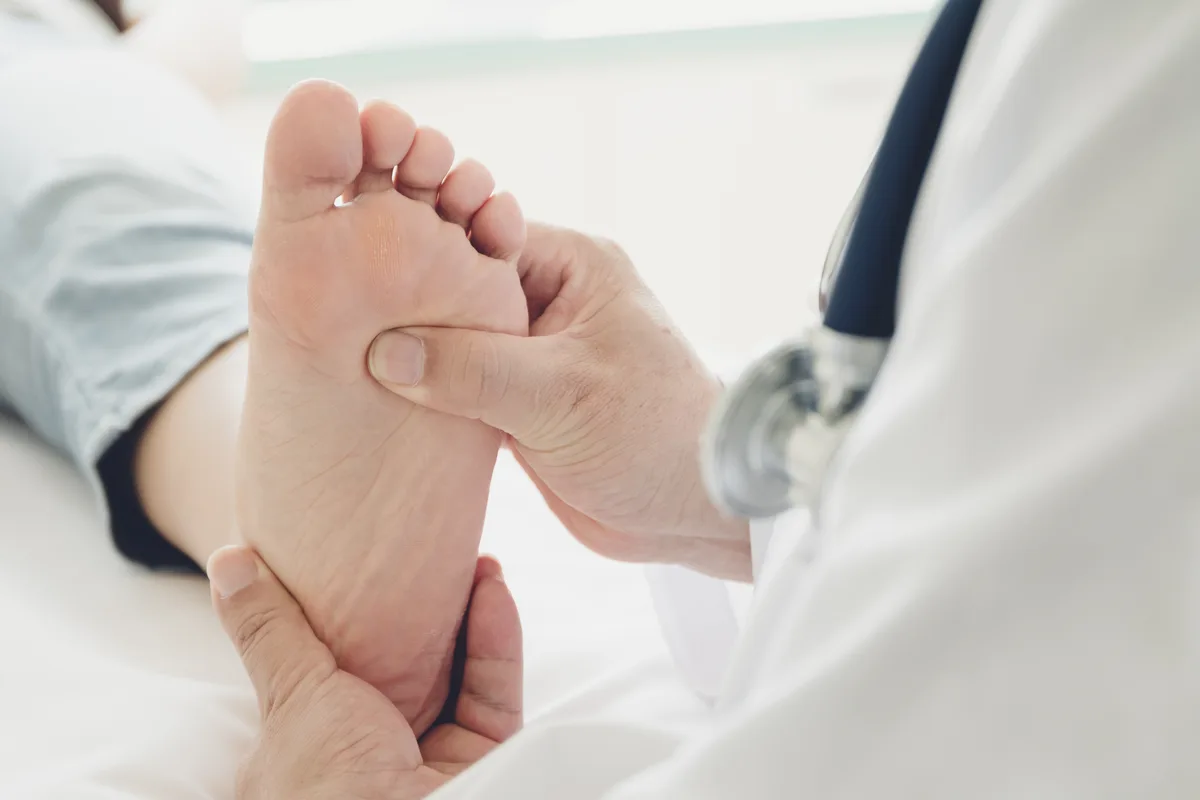
Assessments, debridement, nail surgery, diabetic foot care: services a chiropodist or podiatrist renders to a patient are exempt, with no HST on the invoice and no input tax credits on the costs behind them. Everything that shapes the HST file happens away from the chair:
- Custom orthotics made to order for a named patient from their cast or 3D scan are zero-rated medical devices: nothing is added to the bill, but the sale is a commercial one and input tax credits can attach once the clinic registers.
- Off-the-shelf insoles, compression wear and footwear sold from the display are ordinary taxable retail at 13%.
- The modified in-between, a stock device adjusted for one patient, is where classification gets argued, and the clinic's record of what was made to order is what settles the argument.
Point-of-sale categories have to mirror those boundaries exactly, because the HST return is assembled from them, not from memory in April.
The registration test ignores the chairs entirely
The $30,000 small-supplier test counts taxable plus zero-rated sales over four rolling calendar quarters and excludes exempt clinical revenue completely. That inverts the clinic's intuition: the chairs can earn several times what the bench does and count for nothing, while a steady orthotics program with a modest retail wall crosses the line on its own. We keep the rolling total inside the monthly close so registration is a decision made ahead of the threshold, not a liability discovered behind it. Whether registering before you must pays off, recovering HST on lab fees, casting supplies and scanner costs in exchange for collecting 13% at the till and filing on schedule, is a planning choice, and we work it through in Tax Planning & Advisory rather than defaulting either way.
Contract wording can quietly change the tax
Foot care delivered to long-term-care and retirement-home residents is exempt the same way clinic care is, when the agreement says what is true: the clinic provides chiropody services to individual residents. Drafted instead as the clinic supplying staffing, administration or program management to the home, the same monthly invoice can become a taxable supply, and it starts counting toward registration. We read nursing-home agreements with the HST question open before they are signed, because re-papering a contract costs a conversation and re-assessing three years of invoices costs real money.
Every filing on one calendar
An incorporated clinic pays roughly 12.2% combined in Ontario on its first $500,000 of active income once the small business deduction applies, and earns that rate only if the filings behind it land on time. Sole-proprietor chiropodists and grandfathered podiatrists report instead on the T2125 inside the T1, with quarterly instalments once net tax owing clears the CRA's threshold. Either way the year runs on a short calendar:
| Filing | When it lands |
|---|---|
| T2 corporate return | Six months after fiscal year-end |
| Corporate tax balance | Three months after year-end for most small CCPCs |
| T4 and T4A slips | Last day of February |
| HST return, if registered | On the elected frequency; annual corporate filers, three months after year-end |
| Owner's T1 with business income | June 15 filing, April 30 balance owing |
Our Corporate Tax Filing engagement carries the T2, the slips and the instalment schedule, and because the balance falls due before the return does, we compute the liability early enough that the payment is planned rather than scrambled. The owner's return runs alongside through Personal Tax Filing, so the clinic's year-end and the household's taxes land as one coherent picture instead of two surprises.
Solo practitioners on the T2125 rarely need a full engagement to stay safe. CPA Quick Support at $99 a month keeps a CPA on call through the year, includes CRA letter review, and turns the instalment and threshold questions into quick answers instead of April discoveries.
Source: CRA — GST/HST for businesses.
