
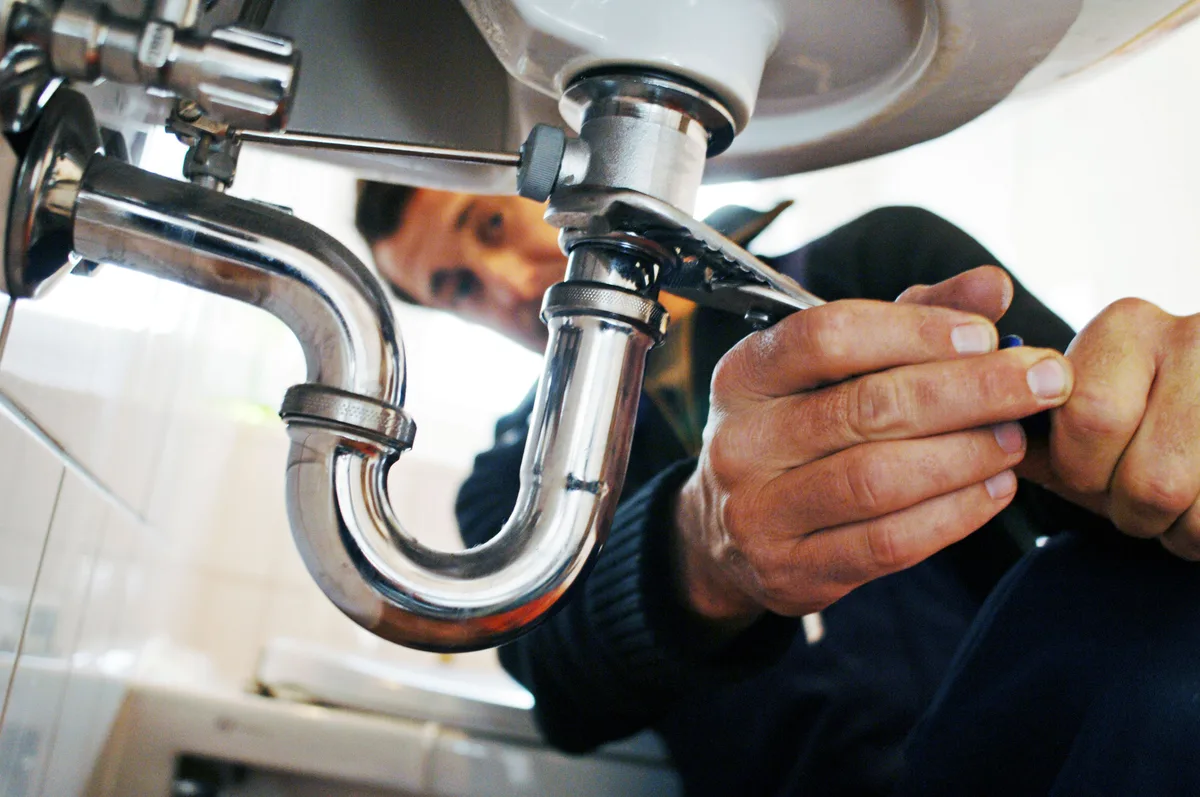
The apprentice on your crew is worth up to $2,000 a year
Plumber is a Red Seal trade, so an apprentice in the first 24 months of a registered apprenticeship makes your company eligible for the federal Apprenticeship Job Creation Tax Credit: 10% of the apprentice's wages, to a maximum of $2,000 per apprentice per year, claimed on the T2 as an investment tax credit. Two apprentices at typical wages is real money, and unused credit carries back three years and forward twenty, so it is never wasted in a low-tax year.
The credit fails on paperwork, not eligibility. We keep the registered training agreement number on file, track each apprentice's 24-month window, and make sure the claim lands in the years the wages were actually paid. Worth knowing: Ontario's separate apprenticeship training tax credit ended for registrations after November 2017, so the federal credit is the one still standing, and the wages themselves remain fully deductible either way.
The van is Class 10. What it carries follows other rules.
A cargo van racked for service work and used primarily to haul tools and materials is a motor vehicle, not a passenger vehicle. That distinction pays twice: there is no luxury-cost ceiling on its capital cost, and the 13% HST comes back as an input tax credit. The van depreciates in Class 10 at 30% declining balance, and with the half-year rule suspended for property available for use before 2028, the full 30% is available in year one.
Financing rarely changes the math for the worse: the interest is deductible, CCA runs on the full cost from day one, and the cash stays in the company where February needs it. The rest of the gear splits by cost and kind:
| Asset | Treatment |
|---|---|
| Service van, racked and wrapped | Class 10, 30% declining balance, no cost ceiling, full first-year rate through 2027 |
| Sewer camera, jetter, press tool | Class 8, 20% declining balance |
| Hand and power tools under $500 | Class 12, fully deductible in the year of purchase |
| Shelving and van upfit | Class 8, itemized separately from the vehicle on the invoice |
| Computers and dispatch hardware | Class 50, 55% declining balance |
Timing matters more than owners expect. CCA starts when an asset is available for use, so a jetter delivered in the last month of your fiscal year earns a full first-year claim that a delivery four weeks later would push twelve months out. The $1.5 million immediate-expensing window closed for property available for use after 2023, which makes these class rules, and the timing game around them, the whole board again.
Pay yourself on purpose
Profit retained in the corporation is taxed at roughly 12.2% on the first $500,000 of active income in Ontario; the same dollar taken personally at the top rate loses more than half. That roughly 40-point gap is what funds the next truck, the winter payroll and the parts inventory without a line of credit. The salary-dividend mix is the annual decision that sits on top: salary builds RRSP room and CPP and keeps instalments predictable, while dividends skip payroll remittances and can be timed against a weaker year.
Family pay is useful when it is real. A spouse who runs dispatch, invoicing and collections can earn a reasonable wage for that work, deductible to the company like any other. Dividends to family are a different tool entirely, because TOSI taxes most of them at the top personal rate unless a narrow exclusion applies, so we plan wages first and touch family dividends only with the rules in hand.
A planning rhythm, not a March scramble
Our Tax Planning & Advisory engagement runs these decisions on a calendar instead of in hindsight: apprentice credits reviewed when wages are set, equipment purchases timed against year-end, instalments reset after each corporate filing, and the owner-pay mix confirmed before the final payroll of the year closes the door on it. HST filing frequency gets a look too, since a company buying trucks and equipment can find refund timing worth electing for.
Every engagement is quoted in writing after a free 15-minute discovery call, and we work with trade businesses across Mississauga and the GTA. The pattern we aim for is boring in the best way: no surprises in April, because everything that mattered was decided in November.
