
13% on everything hot, zero on the pie that leaves cold
Prepared food sold ready to eat carries 13% HST, and at a pizza counter that covers nearly the whole menu: pies, slices, panzerottis, wings, shawarma plates, garlic bread out of the oven. A delivery charge you bill for your own drivers is part of the same taxable sale, so it carries 13% too. The one break worth programming is Ontario's point-of-sale rebate on qualifying prepared food sold for a total of $4.00 or less, where the register should collect only the 5% federal portion.
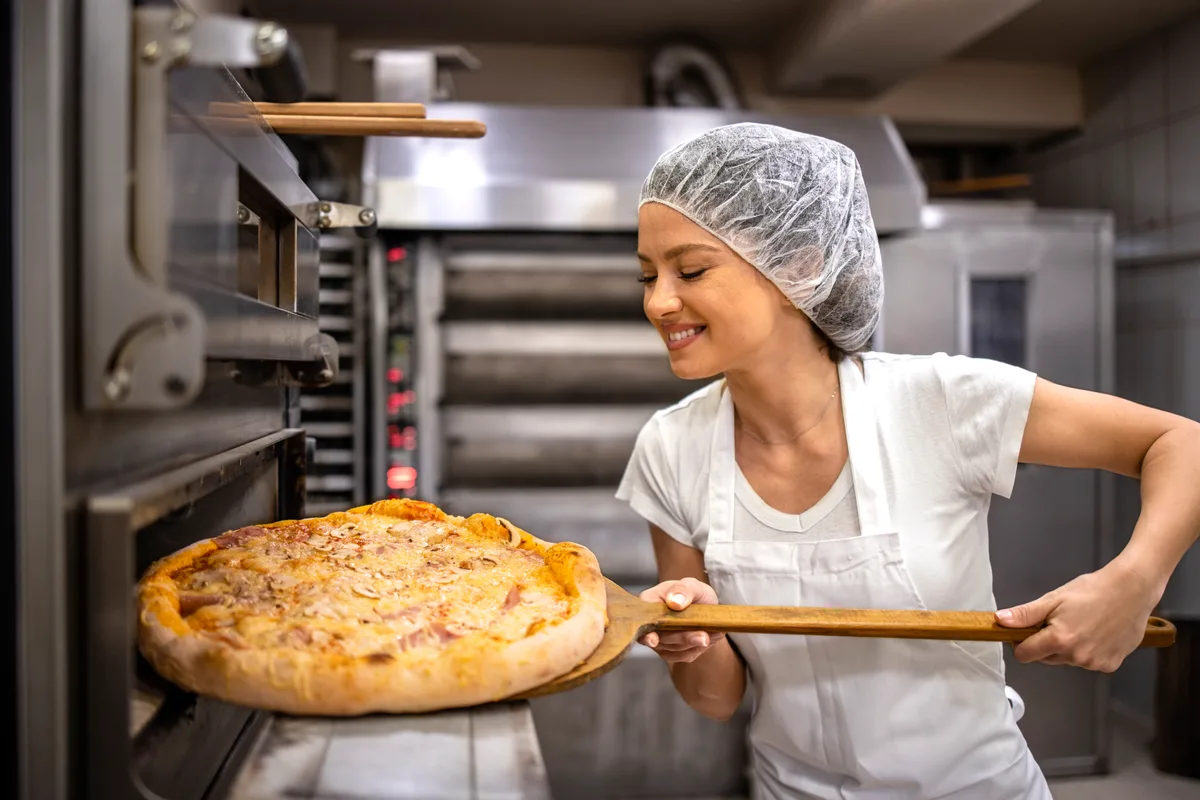
The exception that surprises owners is take-and-bake. A cold, unbaked pizza sold for the customer's own oven is basic groceries, zero-rated, because the test is whether the item is suitable for immediate consumption, not where it was sold. A counter offering hot pies and take-and-bake side by side needs two POS keys: ring the cold pie at 13% and you have overcollected, and tax rung in error still has to be remitted or refunded, never pocketed. Cans of pop stay taxable either way, since carbonated drinks never count as groceries.
Gross on line 101, even though the app held the money
The HST return starts from gross sales at menu price, across every channel. On app orders, Uber Eats or DoorDash charged your customer 13% and passed it to you inside the weekly payout; collecting through an agent does not move the liability, so the tax belongs on your return exactly as if the till had rung it. File from bank deposits instead and line 101 is understated by the commissions, while the tax reported no longer matches the tax actually charged.
That gap is easy to detect, because a reviewer can request the same platform statements you receive and add them up. The weekly statement-to-POS tie-out our pizza shop accounting work maintains is what makes filing season a summary rather than a reconstruction.
The return of a business whose inputs are groceries
A pizza shop collects 13% on almost every sale but pays HST on surprisingly little, because cheese, flour, sauce and pepperoni arrive zero-rated from the supplier. The input tax credits that do exist sit in rent, utilities, boxes, tablet fees and platform commissions, and they are small next to the tax collected. Net tax therefore runs close to the full 13% of sales, which is why the remittance feels enormous beside the profit: it was never your margin, it was collected for the CRA from the first tap of the card.
Two consequences follow. We size a standing weekly transfer from the POS closes so the remittance is funded before it is due, and we treat the quick method with suspicion here, because it gives up the credits on commissions and rent; for a delivery-heavy shop the ordinary calculation usually wins. We model both before any election is filed.
| HST return line | What a pizza counter reports there |
|---|---|
| Line 101 — sales | Gross menu-price sales from the till, the phone and every platform, before commissions |
| Line 105 — tax collected | 13% on all of it, including the tax the apps collected as your agent |
| Line 108 — input tax credits | HST on rent, utilities, boxes and commissions; nothing on zero-rated cheese and flour |
| Line 109 — net tax | Close to the full 13% of sales, funded weekly so the due date is a non-event |
One story across the T2, the slips and your own return
Our Corporate Tax Filing engagement prepares the T2 from books that already agree with the HST returns and the register, with the first $500,000 of active profit taxed at Ontario's combined small-business rate of roughly 12.2%. T4s for cooks, counter staff and drivers come out of the same records, and the owner's return runs through Personal Tax Filing, so salary, dividends and the household land as one filing decision instead of three surprises.
Takeout counters attract desk reviews because food and cash still travel together, and those reviews start with sales records, not expense receipts. Filing from reconciled numbers is the quiet defence. For a single-store operator who mainly wants a CPA reachable when a brown envelope arrives, CPA Quick Support at $99 a month includes CRA letter review, and shops across Mississauga and the GTA get every larger engagement quoted in writing after a free 15-minute discovery call.
