
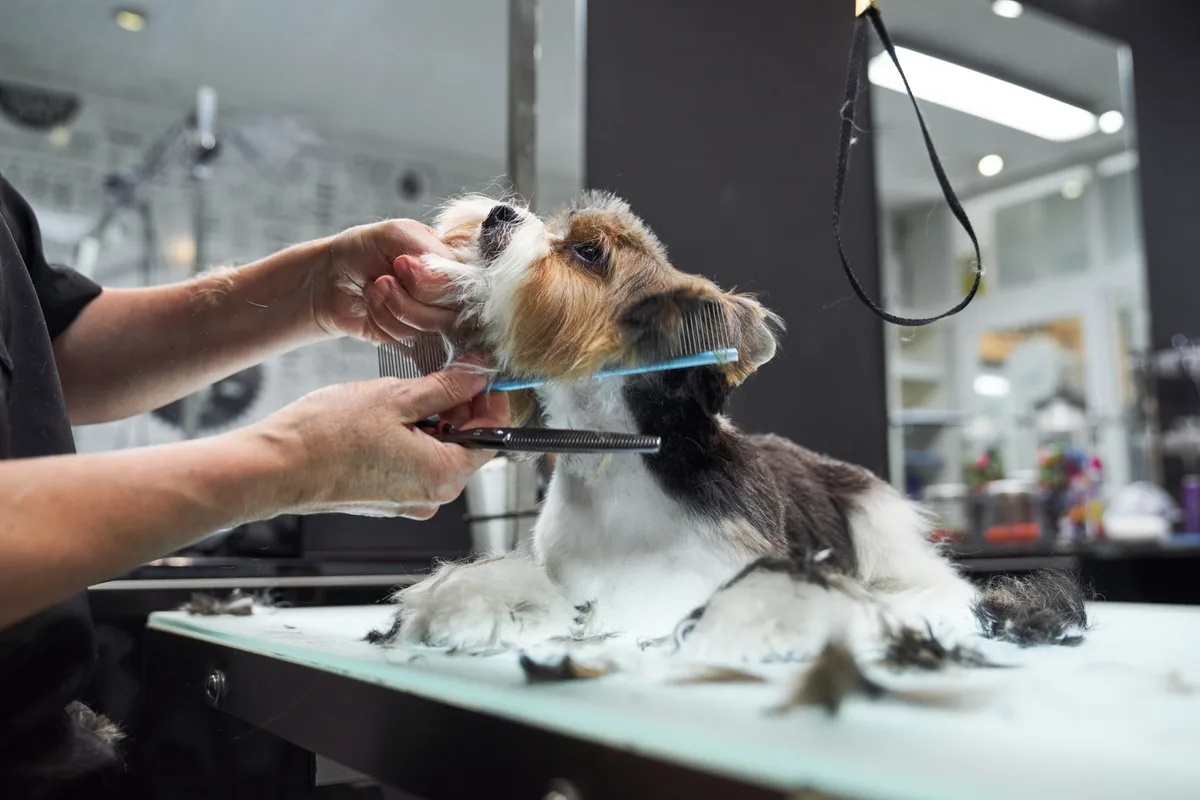
The van is a rolling shop, and CCA treats it like one
A mobile grooming van is capital, not an expense, and how the cost comes back depends on what each dollar bought. The van itself typically falls into Class 10, depreciating at 30% on a declining balance. Conversion work built into the vehicle, the tub, water tanks, plumbing, generator, usually forms part of the van's capital cost and depreciates with it. Free-standing gear you could carry out the door, dryers, a hydraulic table, clippers, sits in Class 8 at 20%. And because a van permanently fitted as a grooming shop is generally not a passenger vehicle, the cost ceiling that limits CCA on ordinary vehicles usually does not bite.
Timing matters as much as class. First-year acceleration rules are phasing down through 2027, so the same van bought this fiscal year and next can produce different first-year deductions. Fuel, insurance, plates and repairs deduct as operating costs, with a logbook wherever there is any personal use, and for a mobile groomer whose home is the base of operations, travel between client stops is business driving rather than commuting.
Salon dollars deduct on a different clock
Rent is fully deductible in the year you pay it, which sounds better than depreciation until you renovate. Leasehold improvements to a rented shop go into Class 13 and write off over the lease term, so a big build-out in a short lease leaves cash gone years before the deduction catches up. The van-or-lease question is usually decided by clients and lifestyle, but the tax shape of each dollar deserves a seat at the table.
| The dollar you spend | How it comes back at tax time |
|---|---|
| Grooming van purchase | Class 10 CCA at 30% declining balance, first-year rules depending on the purchase year |
| Built-in van fit-out (tub, water system, generator) | Added to the van's capital cost and depreciated with it |
| Free-standing equipment (dryers, table, clippers) | Class 8 CCA at 20% declining balance |
| Salon rent | Fully deductible in the year paid |
| Leasehold improvements to a rented salon | Class 13, written off over the term of the lease |
| Fuel, insurance, booking-app subscription | Operating costs, deductible as incurred |
Pay yourself on purpose once there is a corporation
An incorporated groomer chooses each year between salary and dividends, and the right blend is personal. Salary creates RRSP room and CPP contributions but requires payroll remittances; dividends are simpler and skip CPP, which cuts cost now and pension later. Grooming demand also swings, heavy before the holidays and through spring shedding, lean in deep winter, so we set a draw the January trough can survive and let the corporation hold the rest.
If a spouse or family member works in the business, bathing, front desk, running the books, they can be paid a reasonable rate for real work, but TOSI rules tax unearned income splitting at the top rate. The test is documented hours and market-rate pay, and it is far easier to build that file as you go than to reconstruct it after a review. Structure questions that go beyond pay mix belong with Incorporation planning before the van loan is signed.
Moves worth a calendar note
- Register for HST before the fit-out, not after, so the tax paid on the build comes back as input tax credits from the first invoice.
- Buy equipment before the fiscal year-end rather than just after it, so CCA starts a year earlier on the same purchase.
- Claim the home base properly: a mobile groomer scheduling from home and storing supplies there has a workspace-in-home claim, sized honestly and supported.
- Set instalments from the plan, not last year's surprise, so quarterly payments track what this year will actually owe.
Advice that ends in a decision
None of this is exotic; all of it is time-sensitive, and most of it is invisible by the time a return is being prepared. Tax Planning & Advisory works ahead of the spending: the van-versus-lease model, the CCA schedule, the pay mix, the year-end checklist, each one closing with a decision rather than a memo. That is the point of our decisions-first approach: your accountant files your taxes; we help you decide. Every plan is scoped and quoted in writing after a free 15-minute discovery call.
