
Equipment: the deduction lives in the calendar
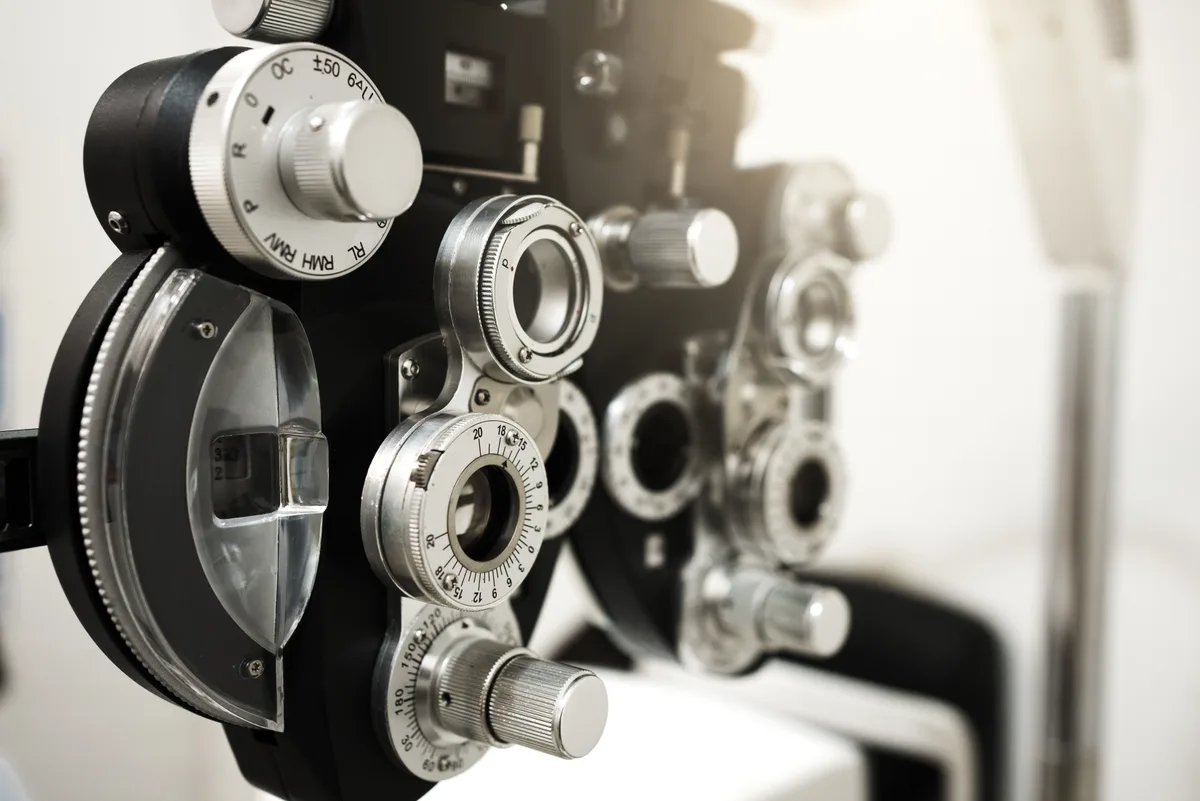
Optometry is capital-intensive for a clinic its size. An OCT, autorefractor, phoropters, slit lamps and a visual field analyzer all land in Class 8 at 20% declining balance; computers and pre-test workstations in Class 50 at 55%; a lane build-out in Class 13 over the lease term. Two timing rules do most of the work. The accelerated investment incentive suspends the half-year rule for eligible equipment available for use before 2028, doubling the first-year claim. And CCA requires the asset to be available for use, installed and working, so when an instrument is coming either way, a December delivery beats January by a full year of deductions.
The $1.5 million immediate-expensing window closed for property available for use after 2023, which puts the regular classes back at the centre of planning. We model the after-tax cost of a purchase before you sign the quote, not after.
The HST layer under the CCA schedule
Where an instrument sits changes what it truly costs. Exam-lane equipment serves exempt activity, so its 13% HST is unrecoverable: it joins the capital cost and depreciates over years. Dispensary equipment used primarily in commercial activity earns a full input tax credit, cutting its real cost before CCA even starts. The primary-use test for capital equipment is all-or-nothing at 50%, which makes documenting how and where a machine is used worth real money.
| Asset | CCA class | HST outcome |
|---|---|---|
| OCT, phoropter, slit lamp (exam lanes) | Class 8 — 20% | No credit; the 13% capitalizes and depreciates |
| Lens edger and dispensary equipment | Class 8 — 20% | Full credit when use is primarily commercial |
| Computers and pre-test workstations | Class 50 — 55% | Follows the primary-use test |
| Leasehold build-out | Class 13 — lease term | Credits follow the commercial share of the space |
Owner pay when income splitting is off the table
Only optometrists can hold shares of an Ontario optometry corporation, so the family-dividend strategies other professions debate are simply unavailable, and the planning concentrates on your own mix. Salary is deductible to the corporation, creates RRSP room and CPP entitlement, and suits a stable draw. Dividends skip payroll remittances and can be timed against a low-income year. A declared bonus can be deducted this year and paid within 180 days of year-end, splitting the benefit across two years. Family members can still earn salary for genuine work at market rates, documented like any employee. Our Tax Planning and Advisory engagement rebuilds this mix annually instead of freezing it at incorporation.
Calendar position matters as much as the mix. A dividend declared in early January instead of late December moves the personal tax a full year out, which is a real difference in a year when the practice bought equipment or you took parental leave. Salary needs to be running through payroll before December 31 to create that year's RRSP room. None of these moves is exotic; all of them are worthless in April, which is why the conversation happens in the fall.
Retained profit and the quiet thresholds
Retention is the point of the corporation, and it comes with numbers worth watching. Passive investment income above $50,000 begins to grind the federal small business limit, five dollars for every one, which becomes a live issue for a strong saver a decade into practice. Profit earmarked for the next lane or a second location should sit where it keeps the balance sheet clean for financing. And the eventual sale casts a long shadow: the $1.25 million lifetime capital gains exemption carries purity tests that accumulated investments can spoil, so we watch the ratio years before any offer exists, alongside estate planning once the practice becomes the family's largest asset.
A year-end that is decided, not discovered
Every fall we run the same sequence for optometry clients: project the year, price the equipment decision, set the salary-dividend split, choose how much CCA to claim, and reset instalments so the first quarter of the new year does not overpay. CCA is discretionary, and a claim deferred from a low-income year is worth more against a strong one. By the time the T2 is filed, it confirms decisions already made. That is the difference between planning and reporting, and it is the whole reason this page is not called tax filing.
