
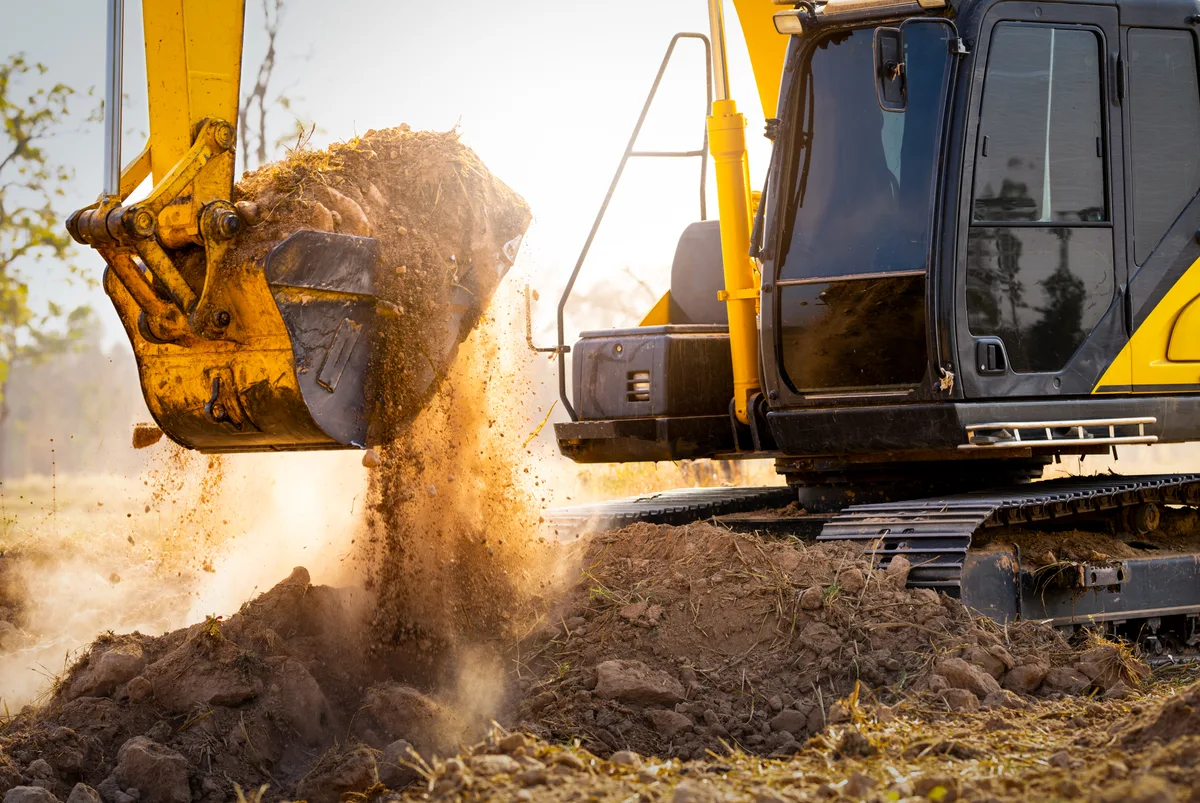
Liability that comes out of the ground
Ontario law requires locates before any dig, that is the Ontario Underground Infrastructure Notification System Act and the Ontario One Call system behind it, but locates do not make strike risk zero. Utility records are imperfect, marks get disturbed by weather and traffic, and private lines past the meter, a customer's own gas run to a pool heater or a barn, are not in One Call's records at all and need a private locate the customer rarely thinks to order. When a bucket finds a main anyway, repair costs, service-interruption claims and third-party losses can stack into something that tests the limits of a liability policy. A sole proprietor stands personally behind whatever the policy does not cover; a corporation puts the company's assets, not your house, behind the same claim. Incorporation is not a substitute for locate discipline or insurance, it is the layer that stands behind both, with the honest caveat that courts can still reach an individual for their own negligence.
What incorporating changes, and what it leaves alone
It leaves more alone than owners expect. WSIB does not go away: construction is compulsorily covered in Ontario, and since 2013 even independent operators in construction have generally needed coverage, incorporated or not. Locate duties, licences and insurance obligations all carry on unchanged. What changes is the tax engine underneath the fleet. Profit kept in the corporation is taxed at Ontario's roughly 12.2% combined small-business rate on the first $500,000, so retained earnings can fund the down payment on the next excavator with dollars taxed at about twelve cents instead of at a personal marginal rate several times higher. For a business whose growth is measured in machines rather than headcount, that deferral is the growth engine, and it simply does not exist for a sole proprietor.
When the iron deserves its own corporation
As fleet value grows, some contractors split the business in two: an equipment company that owns the machines, and an operating company that signs the contracts and carries the site risk, renting iron from its sibling at fair value.
| Operating company | Equipment company |
|---|---|
| Signs contracts and takes the site risk | Owns the machines and their loans |
| Employs operators, carries WSIB and liability cover | Leases the iron to the opco at fair value |
| Holds little of lasting value | Holds the fleet a lawsuit cannot easily reach |
Done properly, a claim against the operating company does not reach the fleet. Done casually, with no written leases and the HST between the companies handled wrong, it creates problems instead of solving them. It is almost never a day-one structure: most contractors start with one clean corporation and split later through Corporate Restructuring once the fleet is worth protecting.
The timing triggers we actually see
Few excavation contractors incorporate on a whim; a specific event usually forces the question. A GC or municipality starts requiring subcontractors to be incorporated, with insurance certificates in the corporate name, before the next tender. The first seriously financed machine arrives and the owner realizes the loan, the liability and the house all currently share one signature. Or the business simply starts earning more than the household spends, which is the moment the small-business-rate deferral begins paying for itself every single year. Any one of these is reason enough to have the conversation; two of them together mean the decision is already overdue.
Day one, set up for the trade
Our Incorporation service sets the company up for how excavation actually works. The share structure leaves room for a spouse or a future holding company without a redo. The CRA program accounts get registered together, corporate tax, HST, payroll, and the T5018 account if you will be paying subs, with WSIB registration queued rather than forgotten. We register for HST immediately even though a new company technically sits under the $30,000 small-supplier threshold, because the 13% input tax credits on iron, fuel and repairs are worth far more than the filing burden. One honest note on financing: a new corporation has no credit history, so equipment lenders will want personal guarantees at first, and the corporate shield grows as the company builds its own record. We incorporate excavation and demolition contractors across Mississauga and the GTA, with the fee quoted in writing after a free 15-minute discovery call.
