
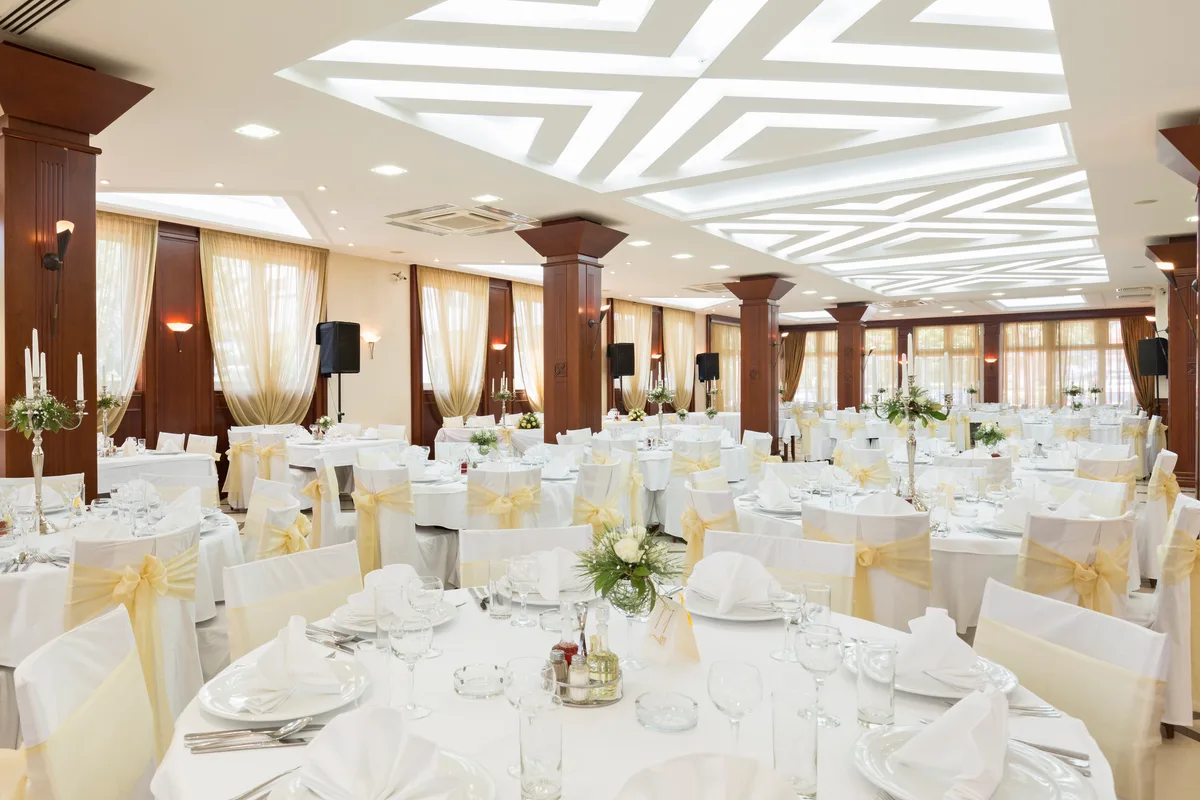
One wedding, fourteen months of money
A hall booking pays in stages: a deposit to hold the date, a contract instalment or two through the year, then a balance billed once the final guest count locks. The event that earns all of it happens on one Saturday, often more than a year after the first payment. Until that night, every dollar collected is deferred revenue, a liability owed back in service, not income earned.
Books that post deposits straight to sales lie in both directions. Booking season looks profitable while the hall sits dark, and peak season looks thin because its revenue was already spent on paper. Our End-to-End Accounting engagement is organized around the booking ledger instead: every date on the calendar carries its own balance of cash received, revenue earned and HST status, and the P&L recognizes an event only when the event happens.
The HST clock on a deposit
A true deposit is not consideration for HST purposes until the venue applies it against the price. That is subsection 168(9) of the Excise Tax Act, and it means the 13% on a $5,000 booking deposit is normally collectible at final billing, not when the payment lands a year early. Remitting it on receipt hands the CRA working capital the law lets the hall keep until event season.
The contract wording decides which regime applies. If the agreement styles the payments as instalments of the price rather than a deposit held against performance, HST follows each instalment as it falls due. A bookkeeper who has never read the standard booking contract ends up remitting on the wrong dates in one direction or the other.
Forfeitures have their own rule. When a client cancels and the hall keeps the deposit, section 182 deems the amount kept to be tax-included: keep $5,000 and about $575 of it is HST payable, not revenue. Venues that book forfeited deposits as clean income overstate the windfall and understate the remittance, and an HST auditor knows exactly where to look for that error.
The booking lifecycle in the books
| Moment in the booking | How the books treat it |
|---|---|
| Deposit received to hold a date | Deferred-revenue liability; no HST collectible yet on a true deposit |
| Contract instalment of the price | HST follows the payment; the cash stays deferred until the event |
| Final balance on the locked guest count | Billed with 13% HST; still a liability until event night |
| Event delivered | The full contract moves to revenue; that date's deferred balance clears |
| Client cancels and forfeits the deposit | Income net of the deemed tax-included HST (13/113) |
| Date moved, credit carried forward | The liability follows the new date; nothing touches the P&L |
| Refundable damage deposit | Held as a payable and refunded after inspection; never revenue |
Run this way, the deferred-revenue schedule always equals the hall's real future obligations, date by date. A lender or a buyer reads that schedule as exactly what it is: the order book.
Cancellations, credits and moved dates
Every venue eventually manages a chain: a date moved twice, a credit split across a smaller event, a partial refund under the cancellation policy. The books need that policy in writing and applied identically every time, including the moment a stale credit finally leaves the liability account and becomes income.
Date-change and administration fees are consideration for a service and carry HST when charged. We reconcile the deposit ledger to the booking calendar monthly, so no date holds cash its contract no longer supports and no forfeiture slips through as an untaxed windfall. When a season brings a run of postponements, the schedule shows the exposure immediately instead of at year-end.
Event night to month-end
The operational side of the engagement follows how halls actually run. Bar sales flow from TouchBistro or Square by event and reconcile to each cash-out, with deposits reaching the bank intact, which is most of what the CRA wants to see from a cash bar. The fuller cash-control and audit-defence picture belongs to tax planning, but it starts here, in daily habit.
Banquet servers and bartenders, Smart Serve certified, run through payroll with source deductions, vacation pay, stat pay and T4s, however short the shift list for a given night. Booking platforms such as Tripleseat or Event Temple feed QuickBooks Online, and Dext captures the supplier bills behind each menu.
Month-end closes on a fixed rhythm with a margin for every event: food, beverage, event labour and rentals against the contract price, so the NYE gala and the July wedding can be compared honestly. Year-end returns ride on the same books through Corporate Tax Filing. We work with venues across Mississauga and the GTA, and every engagement is scoped and quoted in writing after a free 15-minute discovery call.
