
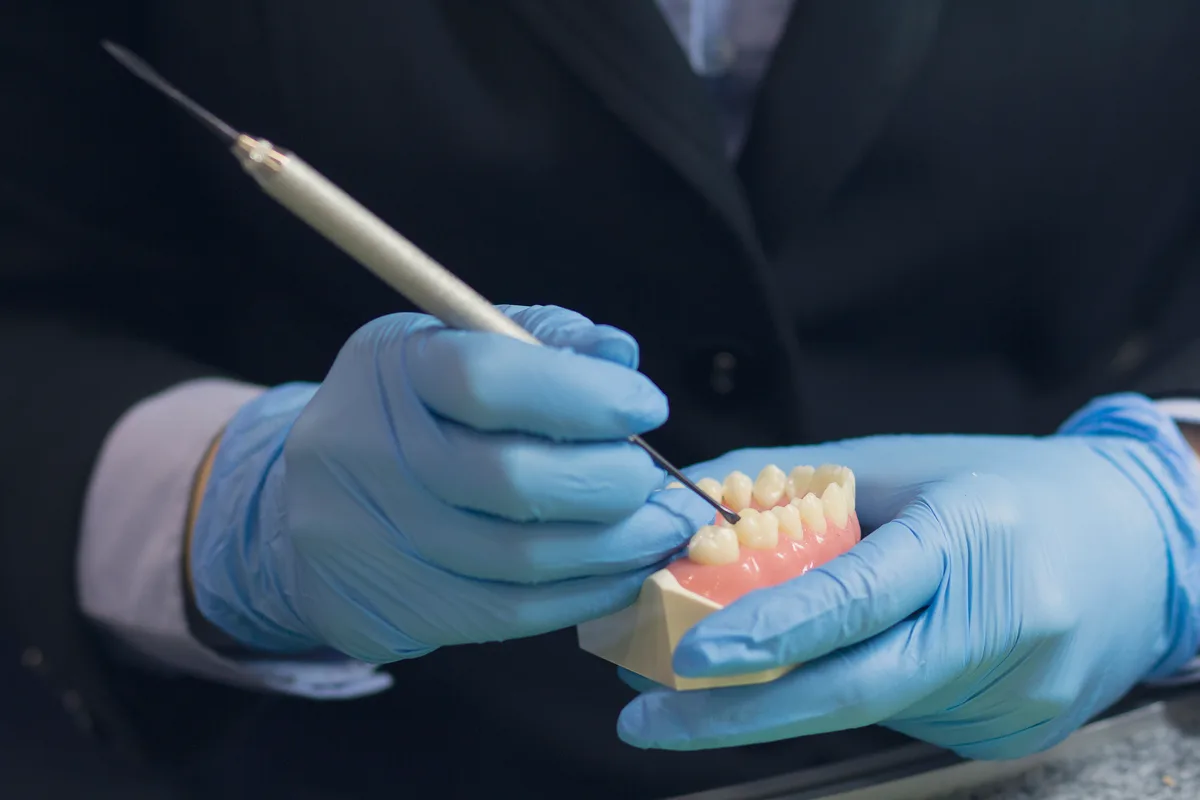
Zero-rated is not exempt, and the difference is cash
A dental practice makes exempt supplies: no HST charged, none recovered. A denture clinic lives under a different rule, because dentures are zero-rated medical devices: still taxable supplies, just taxed at 0%, which keeps the door to input tax credits wide open. Register, and the 13% you pay on teeth cards, acrylic, lab equipment and clinic rent comes back on every return.
Zero-rated sales also count toward the $30,000 small-supplier threshold, so most established clinics are required to register whether they realize it or not. The obligation costs nothing at the front desk, since the rate on denture fees stays 0%, and it is the mechanism that funds the refund. For a new clinic still under the threshold, voluntary registration is usually the right call for the same reason.
Filing frequency is the lever owners miss. An annual filer waits up to a year, plus processing time, for credits already spent at the supplier. Electing quarterly or monthly reporting periods turns the refund into a recurring deposit, and for a clinic paying off a scanner or a mill that timing is real working capital.
What each line of revenue does on the return
Not everything a denture clinic bills behaves the same way, and coding revenue correctly is what keeps the refund defensible:
| Revenue line | GST/HST treatment |
|---|---|
| Complete and partial dentures | Zero-rated: 0% charged, full credits on the inputs behind the case |
| Relines, rebases and repairs | Zero-rated as services performed on a zero-rated device |
| Adhesives, cleaners and other desk retail | Taxable at 13% once registered, and the return must show the tax collected |
| Selling used lab equipment | Taxable at 13%: a registrant charges HST when a mill or curing unit changes hands |
The retail line is the one that surprises people. The moment the clinic registers, the cleaner tablets at reception carry 13% even though the denture beside them carries none, and a return that reports zero tax collected while the desk rings through retail is an easy pick for review.
Where refund claims are won and lost
The CRA does not mail refunds on trust. Refund-position returns are routinely pulled for pre-assessment verification, a letter asking to see the largest invoices before any money moves, so a claim is only as strong as its paper. Three coding habits decide how those letters go:
- Invoices, not statements. A dental supplier's monthly statement does not satisfy the documentation rules; the individual invoices, showing the supplier's GST/HST registration number, are what a reviewer accepts.
- Know what carries no tax. Wages, insurance premiums and most bank charges have no HST in them. Coding them as creditable inflates the claim and turns a routine review into a reassessment.
- Capital purchases run on two clocks. A new mill generates its full input tax credit in the period you buy it, while the income-tax deduction arrives slowly through CCA on Schedule 8. Same invoice, two timelines, one asset record feeding both.
When a verification letter does arrive, CRA Audit & Review Support answers it from the working papers behind the return we filed, which is why most of these reviews end at the first reply.
The T2 and the receivables that straddle year-end
A denturism professional corporation files a T2 like any CCPC, but a denture clinic's year-end has a wrinkle of its own: cases inserted in the last weeks of the year and billed to ODSP, an insurer or the CDCP are this year's income on the day of delivery, even though the program's payment lands in the new year. The corporation reports on an accrual basis, so those amounts belong on the return as receivables, aged by payer, with any fee-schedule shortfall recognized in the same year rather than quietly absorbed in the next.
One quirk cuts the other way. When a private-pay balance finally proves uncollectible, there is no HST adjustment to recover, because none was ever charged on the zero-rated fee; the relief comes only as an income-tax bad debt deduction on the T2. The year-end materials count feeds cost of goods sold, the bench equipment rolls forward on the CCA schedule, and instalments get reset from the filed numbers so a strong year does not become arrears interest twelve months later.
One file, both returns
Our Corporate Tax Filing work treats the T2, the HST returns and the slips as one file, and we prepare the owner's personal return alongside so salary, dividends and instalments reconcile across both. Deciding the salary-dividend blend is planning work done during the year; tax season is where the slips have to match it. Everything is quoted in writing after a free 15-minute discovery call, from a Mississauga office filing for denture clinics across the GTA.
Source: CRA — GST/HST for businesses.
