
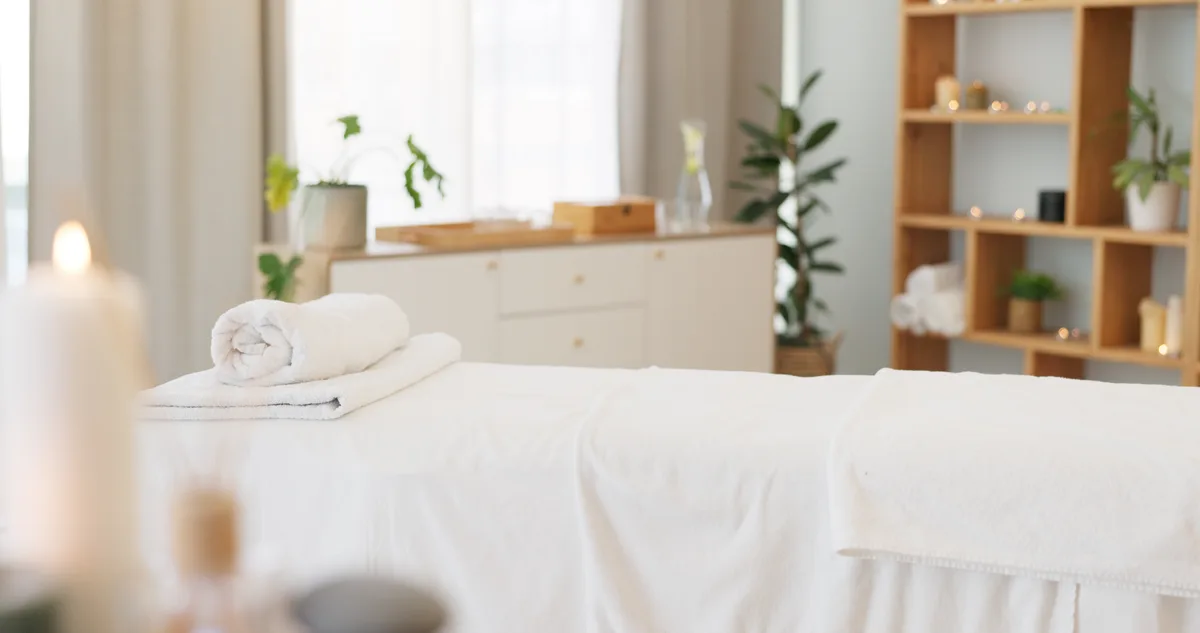
What the corporation buys a spa owner
Three things, in descending order of certainty. First, deferral: profit left in the company is taxed at roughly 12.2% instead of personal rates, which leaves close to 88 cents of every retained dollar available to fund the next treatment room, the hydrotherapy build or the quiet months. Second, separation: business debts and supplier claims belong to the corporation, though honesty requires two caveats, because landlords usually still demand a personal guarantee on the lease, and insurance, not the corporate veil, is the real protection when a treatment injures a client. Third, the exit: shares of a qualifying small business corporation can use the $1.25 million lifetime capital gains exemption, but only if the company stays onside the tests in the years before a sale, which argues for setting the structure up correctly now rather than repairing it later.
The liabilities move too, especially the cards
A spa is unusual among small businesses in how much of its balance sheet is promises: outstanding gift cards, half-used series, banked membership credits. Those are debts of the old proprietorship, and the new corporation should assume them formally in the transfer agreement, so every card keeps being honoured and the assumed liability is counted in the rollover math rather than forgotten. Ontario bans expiry dates on most gift cards, which means a balance sold three years before incorporation can walk in the door three years after; it needs to land on a company that legally owes it.
Day one, item by item
The move itself is a checklist, and the order matters because several items wait on the others.
| Item | What happens at incorporation |
|---|---|
| Tables, steamers, laundry, leasehold work | Transferred under a section 85 rollover so the move itself triggers no tax |
| HST registration | The corporation registers its own number; the old one closes with a final return |
| Staff | Moved to the corporation's new payroll account, with slips covering each part of the year |
| Lease | Assigned or re-signed with landlord consent, usually against a personal guarantee |
| Gift cards, series and credits | Assumed by the corporation in writing and tracked to redemption |
| Bank, insurance, booking platform | Re-papered in the corporate name so income lands in the right entity |
The section 85 election is the piece owners most often skip, and skipping it can turn the transfer of equipment and goodwill into a taxable sale to your own company. We prepare the agreement and the election as part of every Incorporation engagement, alongside the share structure itself.
When it is worth it, and when to wait
The corporation earns its keep when profit stays inside it. A spa with staff, several treatment rooms, a renovation loan and money left over each year is the textbook case. A solo practitioner in a single rented room who draws out everything she earns gains mostly filing cost, and should usually wait; until the numbers turn, CPA Quick Support at $99 a month keeps a CPA on call for the decisions that come up in the meantime. The other honest trigger is a lease or loan negotiation: banks and landlords paper deals against the entity in front of them, and moving mid-relationship is harder than starting clean. Timing beats the calendar, too. Incorporate before the big renovation and the buildout's cost, its input tax credits and any construction loan all sit inside the corporation from the first invoice, instead of needing a second transfer later.
Shares written with the ending in mind
Most spa incorporations are set up in an afternoon and repaired over years. The repairs usually trace to shares: a spouse given dividends without a role that survives TOSI, no discretion between family members, nothing prepared for an eventual buyer. We draft the classes for how the spa will actually pay its people and how it might one day be sold, and we set the first year-end with the seasonal peak in mind rather than defaulting to December 31. After day one, the corporation changes the annual rhythm, salary versus dividends, instalments, a T2, and that ongoing work is a planning conversation we keep separate from the setup. Incorporation is quoted in writing after a free 15-minute discovery call, like everything we do for owners across Mississauga and the GTA.
