
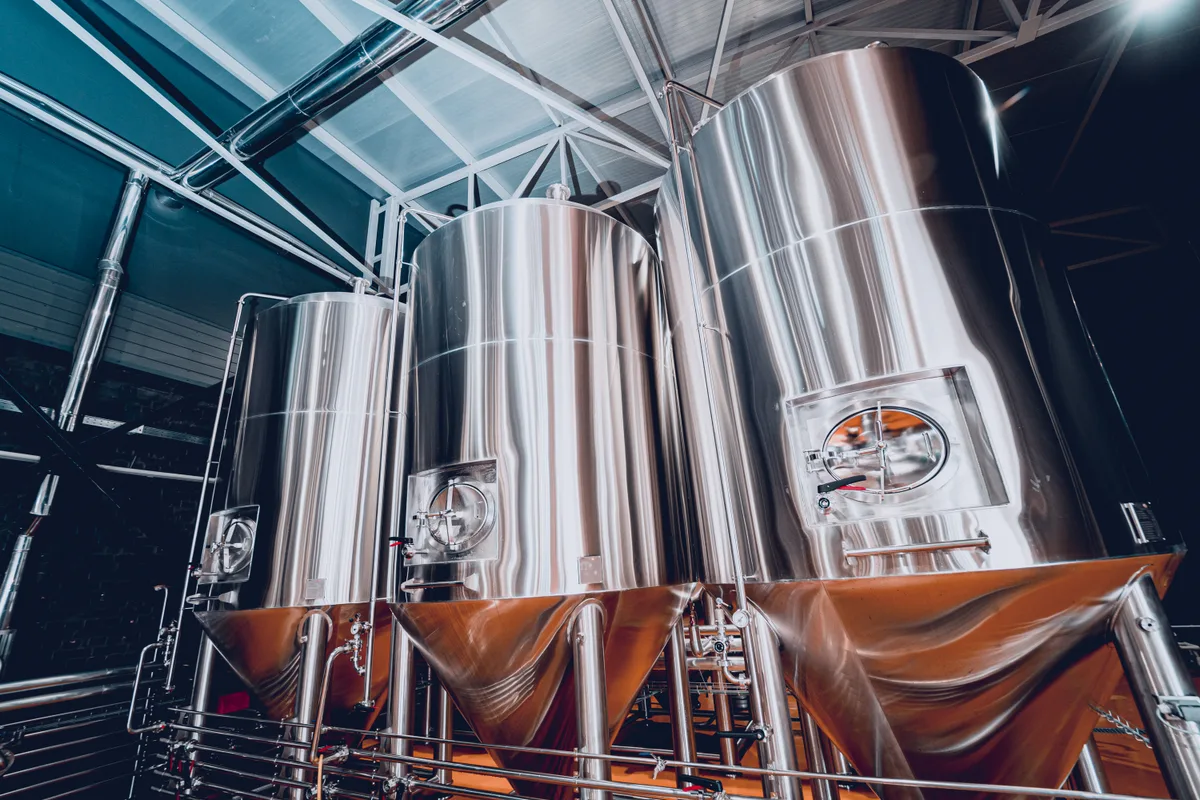
The steel is manufacturing equipment, and the class matters
Fermenters, brite tanks, the brewhouse, the glycol system and the canning line are manufacturing and processing equipment for capital cost allowance purposes — brewing is manufacturing, whatever the taproom out front looks like. Equipment bought now lands in Class 43 at 30% declining balance; gear acquired between 2016 and the end of 2025 sits in Class 53 at 50%, worth confirming before anyone re-sorts an old addition. With the half-year rule suspended for assets available for use before 2028, anything genuinely running by your fiscal year-end earns the full first-year rate.
Available for use is the phrase that decides the year. A canning line on the loading dock in crates claims nothing; the same line commissioned and filling cans by the last day of the year claims its full first-year amount. When a major install is planned within a few months of year-end, we treat the commissioning date with the same care as the purchase price. The used market changes none of this: breweries routinely buy tanks and canning gear second-hand from closing peers, and used equipment lands in the same class at the same rate, because the class follows what the asset does, not how old it is.
| The purchase | Where it lands | The planning note |
|---|---|---|
| Tanks, brewhouse, canning line, glycol | Class 43 at 30% (Class 53 at 50% if acquired before 2026) | Commissioned before year-end is what earns the claim |
| Taproom build-out | Class 13, straight-line over the lease term | A separate claim from the equipment inside it |
| Delivery van | Class 10 at 30% | Owned by the corporation, with a log if it ever goes home |
| POS terminals and computers | Class 50 at 55% | Fast write-off — do not bury them in a slower class |
| Taproom furniture and coolers | Class 8 at 20% | The catch-all for what is not production machinery |
CCA is a choice, and loss years are why that matters
Capacity-build years often run losses: rent, duty and payroll start before the volume does. Capital cost allowance is discretionary — the corporation may claim anything from zero to the maximum each year — and a maximum claim in a loss year mostly converts steel into a deeper loss carryforward. Non-capital losses do carry forward twenty years, but a claim held back is frequently worth more against the profitable years that follow the ramp. We sequence the claims deliberately instead of letting the software take the maximum by default.
Financing that agrees with the depreciation
How the steel is financed changes the deductions. Own it on an equipment loan and the corporation claims CCA plus the interest; take an operating lease and the payments are the deduction, with no CCA and no asset on the balance sheet. Neither is automatically better — the choice runs on cash, covenants and how long the asset genuinely lasts, which for stainless is decades and for a packaging change-part may be one trend. Business Financing Advisory is led by a CPA who came out of banking and corporate finance, so the loan structure and the tax treatment get decided together rather than discovered separately.
The duty calendar belongs inside that decision. Excise leaves the account monthly from the day packaging starts, well ahead of the LCBO's payment cycle, so an amortization schedule that ignores the duty-first rhythm is how a profitable brewery misses a covenant. The full filing stack lives on our brewery tax services page; the planning job is keeping cash dates and debt dates from colliding.
Retained profit is the down payment on the next tank
Profit kept in the corporation is taxed at Ontario's combined small-business rate of roughly 12.2% on the first $500,000 — and in a brewery the deferral has a physical destination, because lenders financing tanks want to see equity on the balance sheet before they fund the rest. Owner pay gets sized from that direction: a salary that covers the household and supports the mortgage file, dividends when a strong year permits, and the remainder left to compound as equipment equity instead of being stripped out and re-borrowed at commercial rates.
We run that arithmetic in scheduled Tax Planning & Advisory sessions ahead of year-end, when install dates, CCA claims and the pay mix can all still move. After year-end those numbers are history; before it, they are decisions — which is the entire point of planning for GTA breweries still buying steel.
