
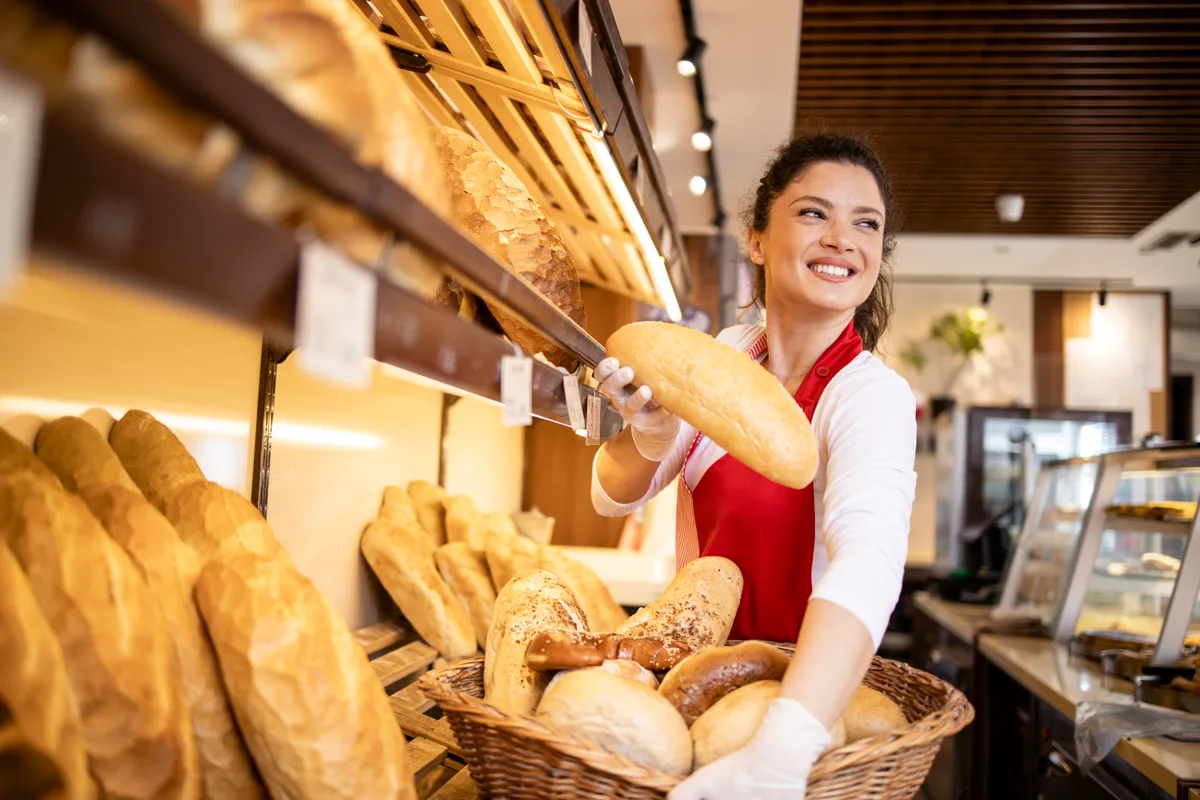
One shop, two revenue engines
The counter rings hundreds of small sales a day, paid on the spot, recorded only by the POS. The wholesale list is the opposite: a handful of restaurants, grocers and offices on standing orders, invoiced on terms, with credits for stales and shorted deliveries. Blend the two and every number goes soft: margins, HST, even who owes you money. We build the chart of accounts so retail and wholesale each carry their own revenue, their own cost of goods and their own reports.
The tax treatment splits the same way. Most wholesale bread is zero-rated while the counter mixes several tax keys in a single basket, a line we keep straight daily and cover in full on our café and bakery tax services page. End-to-End Accounting is one engagement for all of it: bookkeeping, payroll, financial reporting and tax filing under one roof.
Wholesale on terms, without the leaks
Wholesale margin dies in the gap between the delivery slip and the invoice. We turn standing orders into weekly invoices tied to signed delivery records, so shorted trays and substitutions get billed as delivered, not as ordered. Credits for stales and returns go through as credit memos, never as quiet discounts, and we track the stale percentage by account, because it is a real cost of serving that customer.
Receivables get aged weekly. A bakery buys flour and butter on seven-day terms and sells bread on thirty; that spread is financed by your cash, which makes the aging report a survival document, not an administrative one.
Cash that moves before sunrise
Bakery cash starts moving at 5 a.m., before any manager is in the building. The routine that protects it is simple and non-negotiable: a fixed float counted blind at open and close, an over/short account that records every difference instead of absorbing it, safe drops above a set drawer limit, and deposits banked intact on a fixed rhythm.
The discipline matters beyond theft. Cash-heavy food businesses draw standing CRA interest, and when reported sales look thin the agency can build its own estimate from bank deposits and lifestyle. A daily cash log that ties the POS total to the deposit slip is the record that ends that conversation early; if a letter arrives anyway, our CRA Audit & Review Support answers it.
Payroll for a crew that starts at 4 a.m.
Bakers work overnight and early shifts, baristas cover split peaks, and students rotate through weekends. Payroll inside the engagement handles what that mix actually produces: overtime after 44 hours in a week under Ontario's ESA, public-holiday pay computed correctly for part-timers, vacation pay accrued from the first shift, and T4s and ROEs out on time when students leave in September.
Scheduling tools like 7shifts and Homebase export approved hours straight into payroll, which retires the Sunday-night spreadsheet. One flag worth knowing: card tips the shop pools and pays out through payroll are controlled tips that carry CPP and EI, while the jar beside the register generally does not.
From Z-report to month-end
Daily sales post from Square, Lightspeed or TouchBistro summaries into QuickBooks Online by product line and tax key, never as one deposit blob. Processor deposits are reconciled back to gross sales so card fees appear as the real cost they are, and supplier invoices flow in through Dext the week they arrive, not in a shoebox at year-end.
| Money in | What the books must do with it |
|---|---|
| Counter sales | Post daily by product line and tax key, tied to processor deposits |
| Wholesale accounts | Invoice from delivery records, age weekly, credit stales visibly |
| Special orders & custom cakes | Hold deposits as a liability until pickup |
| Gift cards | Book as a liability when sold, revenue only when redeemed |
| Catering trays | Invoice separately; the tax treatment differs from the counter |
Month-end closes with statements split by stream, so the counter and the wholesale book each stand on their own and the blended number stops hiding one of them. For cafés across Mississauga and the GTA the fee is quoted in writing after a free 15-minute discovery call, so it is known before the work starts.
