
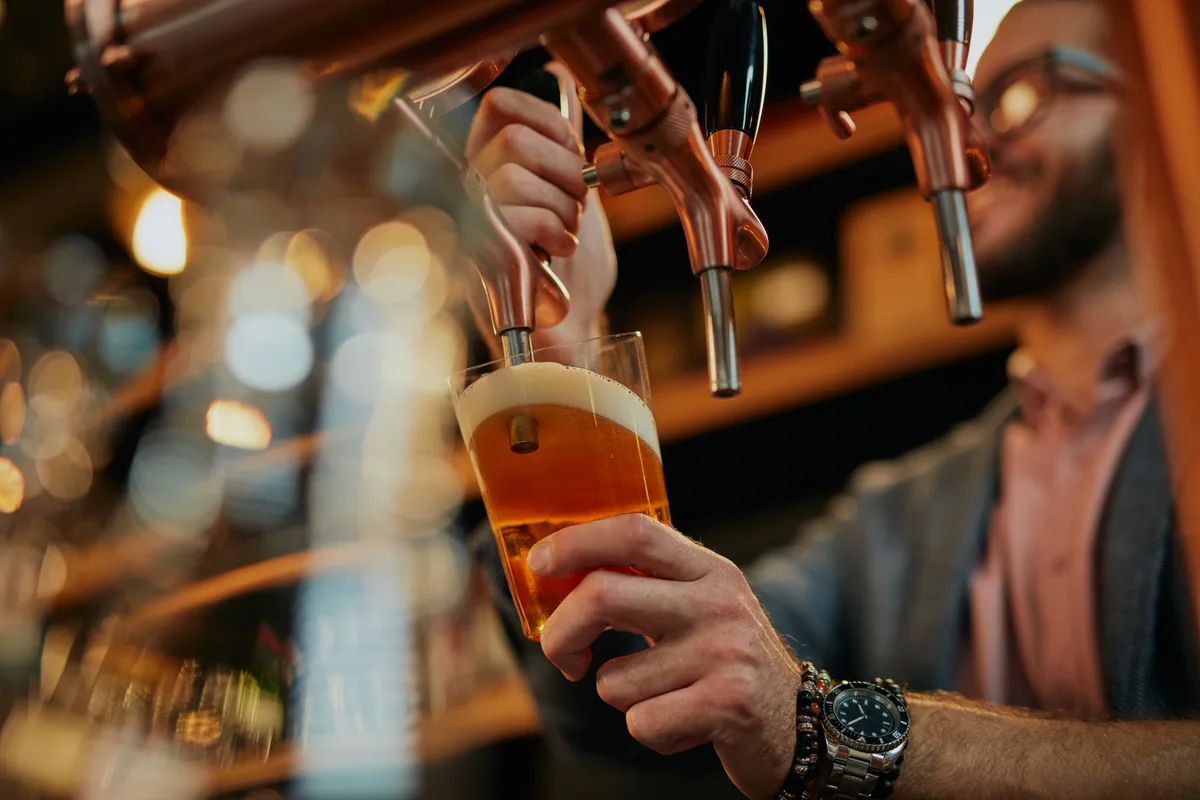
The purchase trail the CRA already holds
A bar is one of the few businesses whose cost of sales sits almost entirely in third-party records. An auditor can total your liquor purchases from licensee account data, apply menu prices and standard yields, and arrive at the revenue the CRA believes the room should have reported, all before opening your ledger. Licensed establishments see this mark-up test more often than almost anyone else, precisely because the purchase side is so complete.
The filings are your answer to that arithmetic. We prepare the T2 and the HST returns from books that carry the same detail the projection uses, pour cost by category, logged spillage and comps, happy-hour and event pricing, so any gap between theoretical and reported sales has a documented explanation rather than a shrug. And when a letter arrives anyway, CRA Audit & Review Support answers it with schedules, which lands better because the return was built to be questioned.
HST at the taps, the door and the gift-card drawer
Alcohol is taxable at 13% with no exceptions: Ontario's point-of-sale rebate on small food orders never applies to a drink, so a till programmed to give a $4.00 snack the break must never give it to the pint beside it. The door is taxable too. A cover charge is an admission, and 13% applies whether the money stays with the house or goes straight to the band's fee.
| What the till rings | HST treatment |
|---|---|
| Draught, bottles, cocktails, wine | Always 13%, at the bar or on the patio |
| Kitchen order of $4.00 or less, no alcohol | Qualifying prepared food gets the Ontario point-of-sale rebate; the customer pays 5% |
| Cover charge at the door | Taxable admission, 13% |
| Gift card sold at the bar | No HST at sale; tax applies when it is redeemed |
| Voluntary tip on the tab | No HST |
| Mandatory service charge on a private booking | Part of the price, so 13% applies to it |
We map each line to its own POS category so the quarterly return is a report rather than a reconstruction, and gift-card balances sit as a liability until redemption instead of being taxed twice, or never.
Paying the band without creating a problem
A local act playing for a fee is a supplier, not staff, and fees for services belong on a T4A, due out with the T4s at the end of February. Door staff and sound techs on your roster are employees like anyone else behind the bar. One flag is worth raising before the poster is printed: when a touring act from outside Canada plays your room, Regulation 105 requires 15% withheld from the fee for services performed in Canada. That is a detail worth professional attention before the show, because it cannot be fixed after the van has left.
Tips in a card-heavy room
Almost every tab now closes on a card, which puts the whole tip flow inside POS data, exactly where the CRA has said it is looking with its electronic-tips compliance work. The question that decides the payroll treatment is control. When the house collects card tips and pushes them down the tip-out chain, bartender to barback to door, on rules the house sets, those amounts are controlled tips: CPP and EI apply and they belong on the T4. We put the tip policy in writing first, then make the payroll filings match it, because retroactive CPP and EI on several years of tip flow is the expensive version of this paragraph.
One calendar for the corporation and the owner
Our Corporate Tax Filing engagement runs the year on a single calendar: the T2 due six months after year-end with the balance owing three months after for most small CCPCs, HST returns at the frequency your sales dictate, quarterly for most single-room bars, and slips out by the last day of February. Payroll remittances keep their own monthly rhythm through the year, sized to a roster that swells for patio season and thins in February.
The owner's side files through Personal Tax Filing, so salary, dividends and the household return are decided as one piece instead of arriving as three surprises. For bar owners across Mississauga and the GTA, the fee is quoted in writing after a free 15-minute discovery call, before any filing starts.
